Posted on Leave a comment

A Flexible but Effective Daily Schedule for Homemakers

Creating a flexible but effective daily schedule for homemakers is easier than you think!

What does a homemaker do all day, anyway?

Have you ever been asked this question, and not known what to reply? Or maybe you’re not even sure what you’re supposed to be doing all day as a homemaker!

Homemaking doesn’t come with a job description, so it’s up to you and me to create one. As homemakers, we run our households. We make up the rules about how our days will flow. We make priorities for our time, and work toward goals. We are responsible for keeping our families fed and clothed, our houses ship-shape, and our homes peaceful, life-giving havens.

This is beginning to sound like a tall order, isn’t it? How does one woman do all of these things?

Let me tell you a secret: it will never be “done,” and never “perfect.”

That’s the nature of keeping a home. But that’s also part of its beauty: we get to start fresh every day, even if the previous day was a miserable failure.

How can I be a productive homemaker?

This is a question we all ask ourselves at some time or another. Some days, it feels like I don’t get anything done besides cooking supper.

While we can’t completely avoid the disappointments, there are some practical things we can do to ensure that most days are not failures.

In general, this means setting up some kind of framework. It’s the job description and responsibilities of your position, if you like to think of it that way.

If you prefer to see homemaking as a vocation instead of an occupation, you might think of this framework as a quilting frame or embroidery hoop which holds the fabric in place while you work at different parts.

The frame is important because it allows you to see the whole piece, but focus on one small area at a time.

So what is this framework for homemaking? What kind of structure helps us to make the best use of our time every day?

I like lists, but sometimes these aren’t very effective. I find myself writing tasks on the list that I’ve already accomplished, just so I can check them off! Or the list gets too long, and I feel behind before the day is fairly started!

Enter the daily schedule. It’s flexible enough to meet each day’s individual needs, yet structured enough to help you accomplish the things you need to do on a daily or weekly basis.

Benefits of a daily schedule

What makes a daily schedule so helpful for homemakers?

Hint: it’s not just about getting the maximum amount done each day, though schedules do help you to be more productive!

Writing tasks down gets them out of your head.

This means you won’t be constantly trying to remember everything you need to do!

If you forget, you can just look at the schedule. Oftentimes, though, I don’t even have to look at the schedule once I’ve written it out. Somehow, putting things on paper helps me remember them better.

It also makes me less stressed. I hate the feeling that I’m forgetting something, and I definitely don’t want to go through that every day. Creating a schedule gives me more peace of mind.

It helps you to maximize productivity during specific parts of the day.

Perhaps you’re a morning person, and you can push through lots of tasks before lunchtime — if you don’t get distracted by a magazine or your phone. Or you’re a night owl, and move slowly in the morning no matter how long your to-do list is.

Maybe you have young children, and can’t seem to focus on tasks that require lots of brain power unless the kids are sleeping. Naptime is a precious sliver of quiet in your day.

Having a schedule helps you to see which times of day are your best times for getting housework done, or focusing on something that requires maximum attention.

Making a schedule allows you to choose how your day will flow.

Do you find yourself always rushing to get the house clean and supper ready at a certain time? What if you could plan your day better, so that supper preparations and tidying up wouldn’t be so hurried all the time?

Making a schedule allows you to divide up your day into manageable chunks of time, so ideally you never have to rush about frantically. (I do say “ideally,” because we all know that those days happen!)

More than just spreading out the tasks, a schedule helps you to set a flow for the day. Some activities make sense at certain times, like working on a project during naptime, or cooking supper at 5:00 pm.

But if you don’t sit down and plan out how you want your day to go, it probably won’t be very organized. I have found that my most peaceful days are those when I know what I need to accomplish and how much time each task should take.

I know this sounds like you’re working steadily all day long, but that’s not the case. Making a schedule allows you to schedule in leisure time, too. You can pencil in an hour for a walk in the middle of the day, if you like, or teatime with a friend.

Writing it down actually allows me to enjoy my leisure time more, because I don’t feel guilty about not working constantly. If my house is a mess and I have a bunch of chores to do, I’m not going to really relax and enjoy a long walk.

Types of schedules

This brings us to a discussion about different types of schedules. You may be familiar with day planners and hourly schedules, where you detail which activities should happen every hour.

Those worked well for me when I had several places to go during the day, and set appointments and deadlines. You may like that amount of structure, and thrive on an hourly schedule like this.

If you would like to see an example of an hourly schedule for a homemaker, Jayden’s daily schedule is great!

Since I became a full-time homemaker, my schedules are rarely this detailed or time-specific. For better or worse, I don’t get up at the same time every day, and my mornings can vary widely. I need a schedule that is more flexible than an hourly model.

Priority-based Schedules

The type of schedule I use is based on my priorities for the day. I pick a handful of things I need to do, such as housework and making meals.

Then I add in a few things that are good for my physical and spiritual wellbeing: walking, running, and pilates are physical activities I enjoy, while journaling, prayer, and Scripture reading are good for my spirit.

Finally, I make room for some activities I enjoy for their own sake: baking, reading, having tea, writing to a friend, or writing about homemaking…

Next, I make my schedule. My days are mostly pretty flexible, but there are some set times (meals and naptime/bedtime) that do not change. So I build my schedule around these times.

Note: The main difference between this type of schedule and an hourly schedule is that a priority-based schedule does not focus on specific time slots for each task. I find this freeing, but you may prefer to schedule your days more strictly.

My Schedule

Morning: Housework

I am a morning person, and can usually accomplish a fair amount before lunchtime. Therefore, I dedicate the time between breakfast and lunch to housework. (One day per week, this time is used for grocery shopping and running errands in town.)

Lunch

Early Afternoon: Outside time

Between lunch and naptime, I do something outside with my kids. We take a walk, shovel snow, or work in the garden. Any additional time is spent reading stories.

Naptime: Quiet projects

Naptime is for working on my own projects. This is the time I can do whatever I like, my quiet time for reading or writing. I try not to waste it on the internet, but sometimes that happens, and it’s okay because that time wasn’t supposed to be spent on something really important.

Late Afternoon: Supper prep

After naps, I focus on making supper and tidying the house. My goal is to have everything fairly neat, quiet, and orderly when my husband comes home from work. If the meal won’t take long to prepare, I might have time to finish up housework left over from the morning. However, I try not to start any projects at this time of day.

Dinnertime

Evening: Family time

After dinner is family time. I do not try to get any more housework or writing done during this time, because I know it will end in frustration. Instead, I focus on my husband and kids. We read stories, play music, and tidy up one last time before bed.

Late Evening: Wind down

After the kids are asleep is my time to tie up any loose ends from the day and prepare for the next morning.

I can’t do anything that makes noise or requires much light after the kids go to sleep, due to our close living quarters, so I don’t try to get any more housework done at night.

That’s my schedule, in fairly brief form! Please understand that this is an ideal schedule, and it certainly doesn’t happen every day! But when I do stick to it, my days are peaceful as well as productive.

Creating your own schedule

Whether you choose to make an hourly schedule or one that is priority-based, there are a few things you should take into account.

When I make up a schedule, I try to think through a typical week in my head to determine which activities need to be written down (so they actually get done), and which ones don’t need to happen every week.

If you don’t have a ‘typical week’, just think through last week. It’s something to start with, anyway.

What to include

Whichever style of schedule you choose, start by writing down mealtimes. If you’re using an hourly format, you will set an actual time for each meal: i.e., 7:00 – Breakfast time, 12:00 – Lunch time, etc.

If you are making a priority-based schedule, you don’t need to write down a specific time for meals. Just put Breakfast somewhere near the top of your paper, Lunch somewhere in the middle, and Supper near the bottom. You can always rewrite the page later if it needs to be adjusted.

After mealtimes are accounted for, make sure the housework has its place. Cooking, cleaning, laundry, and all the rest of it needs to get done some time!

You may prefer to do a little bit of each task every day: fold one load of laundry, clean one room, etc. I prefer to tackle one big task or category of tasks each day. I use a weekly housekeeping schedule to keep it straight.

After housework, build in time for some activities that are good for you, physically, mentally, and emotionally. Homemaking isn’t all work, and there is room for creativity and having fun!

Morning & evening routines

You may wish to create a morning and/or evening routine in your daily schedule. Morning routines can be really helpful in starting your day out on the right foot and helping you to feel ready for the day.

I have to admit, right now my morning routine is pretty minimal. I would probably benefit from setting an alarm and getting up earlier, so my mornings can be more consistent!

Know your weaknesses and target those areas

One of the best things your daily schedule can help you do is to improve your weaknesses. However, you have to do it intentionally.

  • If you know you tend to dawdle in the mornings, having a structured morning routine can help you overcome procrastination and headaches later on in the day.
  • If you get distracted by your phone or computer, set specific limits on how much time you are allowed to spend on them each day.
  • If you can spend hours perusing cookbooks or Pinterest while you plan meals, set a time limit for that as well. (Guilty!)
  • If your evenings are always stressful and rushed as you try to get supper on the table, plan your afternoons well so that supper prep starts earlier.

These simple considerations can make a huge difference in your schedule and your life!

Here's how to create a daily schedule that's fluid enough to match your life, yet structured enough to help you be more productive!

Thoughts about Schedules

I hope you find some of these ideas helpful in creating your own daily schedule. Remember, schedules aren’t for making you work every second of the day. They are for ensuring you have a balance of work and leisure, so that you can get everything done without getting burned out!

One last point: Some days are so hectic, schedules go out the window. When that happens, don’t beat yourself up about not sticking to your daily schedule! The last thing you need at that point is more stress.

On particularly crazy days, I often pick just one or two things that absolutely need to happen, and focus on those until they are complete. When I’m faced with a jam-packed day, anything more can be overwhelming.

Setting up a daily schedule is part of becoming intentional about homemaking. It helps you to appreciate your days more, whether they are spent at home or not.

Interested in learning more? Read more about this kind of homemaking in my introduction to intentional homemaking.

Posted on 5 Comments

How to Embrace the Rhythm of Life at Home

Do you find yourself bored as a homemaker? Learn how to embrace the rhythm of life at home by infusing more meaning into your days.

At some point along the journey of homemaking, you realize that the rhythm of life at home moves differently than life in the public sphere. It is quieter, more peaceful, less busy and stressed. A slower pace means boredom for some, but it can be so much more than that.

To some people, this slower rhythm seems like a problem: if your machine is moving slower than a different one, maybe there’s something wrong with it, and it needs to be fixed.

Others get used to a faster, more exciting pace of life, and find themselves bored easily at home. They want to be where the action is.

If you have recently transitioned to the role of full-time homemaker, you know that the pace of life at home is very different from the rush of the workaday world.

Or perhaps you are passionate about homemaking, while still balancing a job outside the home. In that case, you go back and forth from home to work, adapting to different rhythms and demands.

Should home life be just as busy and exciting as the parts of our life spent in public? Or should we accept and even embrace a slower pace at home?

Is homemaking boring?

To answer this question, let’s think about the purpose of homemaking for a moment. Homemakers create homes for their families. True homes are welcoming, comfortable havens where people can find rest and good cheer.

The essence of home might be described as a place of welcome, refreshment, peace, and safety.

Homes are meant to shelter us from the world, in a manner of speaking. Yes, they can hold parties and entertain friends or family when we choose to open our doors, but our homes are the one special place where we can relax and be our private selves without having to defend our philosophical, religious, or political ideas at every turn.

Homes are where we nourish, preserve, and teach, not fight for our values.

If we look at the question in this light, perhaps it’s natural that our homes move more slowly than the outside world of busy society. After all, the goal of home is very different than the goal of public life.

Homemakers are the Gatekeepers

One thing we must be careful to do as homemakers is to keep our homes separate from the world outside. I don’t mean we should close off our homes to everything and everyone outside of our family; but we should be careful about just how much we let inside.

If we want our homes to be havens, then they can’t be too noisy or rushed.

(This has nothing to do with children. I have small children at home, and I do realize that sometimes life is very noisy!)

What I mean is that home life should move at a more leisurely pace than life in society. If we are always running from one activity to the next, that destroys the peaceful atmosphere of home.

This does not mean your life at home should be boring. Far from it! What it does mean is that you have a responsibility to set the tone in your home.

You, as the homemaker, control the pace of life in your home. Even if you have a house full of kids, your decisions about what comes in and what stays out can make a huge difference in the atmosphere of your home.

Does your home refresh you or bore you?

Let’s put it this way: if your home reflects the world outside like a mirror image, you are likely seeking happiness out there. If your home reflects your own unique family and values, you are likely seeking happiness in home and family.

This is an important question, by the way. As the homemaker, if you aren’t happy in your role, you will have a very hard time creating a happy home for your family.

If you are constantly behind on the housework and struggling to get dinner on the table because of too many activities or commitments outside the home, your family life will start to suffer.

Home might even start to become a place of tension instead of rest: a place where the to-do list awaits as soon as you walk in the door.

But if you take your role as gatekeeper seriously, and give your attention to creating a welcoming home instead of just a pretty house, your home life will flourish.

You will be happier and more satisfied with your life, and your family will find more peace within the walls of their home.

Taking time to do your tasks thoughtfully and build your daily schedule to flow peacefully adds much to the comfort of a home–for everyone, not just you!

What to do when you’re bored at home

Now, some of you have probably been cultivating a slow home life for a while. Maybe you even feel bored, like you’re missing out on everything else that’s going on in the world.

Perhaps you look at a single friend or family member and think, “Wow, her life is so exciting! All I do is stay home.”

Don’t fall into the trap of comparing, friend! We will never be able to see all the joys and pains in the hearts of every person. We have each been given one life to live, and we must live it as best we can.

The path of homemaking may not be glamorous, but it certainly doesn’t have to be boring. Homemaking can be joyful and meaningful. I would rather have that over glamor and drama, wouldn’t you?

So embrace the slow rhythm of life at home, instead of wishing for more excitement. Remember that there is a time and a season for everything, and someday you might look back wistfully to these slow and simple days.

Overcoming boredom with meaningful living

That’s all well and good, you might say, but how do I appreciate slow and simple days right now?

We have grown accustomed to getting whatever we want instantaneously, so any kind of waiting seems irksome to our generation. Perhaps what we need is to refocus on the meaning of the things we do, instead of how fast we can get them done!

Slow living does not mean moving slowly about our tasks, or staring out the window because there’s nothing else to do. It is intentionally removing distractions from our lives in order to appreciate the simple things and make life more meaningful.

Slow living means doing things for a purpose, and doing them thoughtfully. It is realizing that faster is not always better: getting more done can actually be less productive, if the goal is to live a meaningful life.

There are plenty of tools to help you be more productive, whether at home or at work. Technology has gotten so advanced that computers can do all sorts of tasks for us. But at the same time, it has robbed us of the enjoyment of life.

Enjoying life by keeping things simple

I don’t want machines to do all of my housework. I would rather feel the solid wooden broomstick and hear the swish of the broom straws against the kitchen floor.

I would rather light a candle and watch the flame dance while it melts the sweet-smelling wax, instead of living under the constant glare of bright incandescent lights.

The true secret of happiness lies in taking a genuine interest in all the details of daily life.

William Morris

There is a lot of truth in this simple statement. Paying attention to the small details can turn an irksome task into a creative, or at least loving, endeavor.

Utilitarianism has reduced many actions to the standard of productivity. In a world of mere utilitarian production and consumption, there is no room to appreciate the beautiful, the solemn, the heart-wrenching.

By embracing a slower way of life at home, we can infuse more meaning into our days.

Ways to embrace a slow rhythm of life at home

Here are some ways to make your life at home more meaningful, which will help you to overcome boredom and appreciate the slower pace:

1. Structure your days

What makes you feel bored or aimless quicker than a day with no plans?

The solution is to manage your time so that you always have something to look forward to, instead of an endless afternoon stretching out before you with no plans. This will help you to appreciate your time more, and use it wisely.

One simple thing you can do is to set up a housekeeping schedule. Even if you don’t need a schedule to get all the housework done, sometimes just having one or two tasks penciled in for the day is enough to get you motivated!

This is also a solution to the problem of frustration of feeling like you’re not getting anything done during the day. Just by writing out a simple schedule, you can plan time for hobbies or meeting a friend, instead of feeling like you don’t have time for anything fun.

2. Observe tea time

If you will be staying home most of the day, why not set aside some time in the afternoon to take tea?

You can invite a friend over and pop a batch of scones in the oven, or just sit down with a pretty teacup and gaze out the window for ten minutes. It doesn’t have to be an hour.

A short break in the afternoon lends structure to your day and grants a reprieve from whatever task you have been working at.

3. Walk daily

Getting outside every day is important, especially for homemakers. If not for my daily walks, there would be many days wherein I did not set foot outside my door!

Somehow, we always remember that fresh air is good for children, but it’s good for us grown ladies as well! Spending some time outside each day will help to clear your mind and sweeten your temper.

Moderate exercise is also beneficial for calming scattered nerves and helping you sleep better.

Brisk walks have been my remedy for stress and anxiety for years now. They help me breathe deeply and focus on something besides my problems.

4. Start with a morning routine

Slow, cozy mornings are my favorites. But if I’m not careful, time can slip away from me, and I look up to find the morning half gone and the breakfast dishes still not done!

To prevent this (and the accompanying feelings of guilt and desperation), try making a morning routine.

It can be a simple list of the tasks you need to complete by noon on a particular day, or a shorter, more generic schedule for every morning.

If you don’t know what to put down, read Samantha’s article about morning routines for some inspiration!

Just having a little something to get me started on the day’s work is helpful when I’m moving slowly!

Add structure for a purposeful life at home

You may have noticed that all of these ideas involve adding some sort of structure to your daily life. I think this can be a problem area for many homemakers, whether they find themselves with too much or too little to do during the day.

As homemakers, we set our own schedules.

Did you hear that? WE SET OUR OWN SCHEDULES. That means there is no schedule unless we make one!

It’s hard to really embrace the rhythm of life at home if there is no rhythm or pattern to your days. Setting a simple plan, even if it’s not an outright schedule, can help you feel much more settled and purposeful in home life.

Do you find yourself bored as a homemaker? Learn how to embrace the rhythm of life at home by infusing more meaning into your days.

I hope these ideas help you to find your rhythm of slow, simple living at home.

If you would like to read more about finding joy and purpose in simple, intentional homemaking, check out my Guide to Intentional Homemaking!

Happy homemaking!

~ Kimberly

Posted on Leave a comment

Seasonal Homemaking: Autumn in the Kitchen

Seasonal homemaking ideas for autumn
Seasonal homemaking ideas for autumn: how to reflect the changing seasons in your own kitchen!

Does your home reflect the changing seasons? What about your homemaking? As homemakers, we have the opportunity to bring the rhythms of the earth into our homes, and let them guide our duties for each season.

Why Does Seasonal Homemaking Matter?

Well, we all live on this planet, and our environment does impact our lives in many ways. Folks who live out in the country might see this more clearly than those living sixteen stories up in a concrete condo, but city dwellers and country folk alike can appreciate the beauty of the earth. One way we can come to a greater appreciation for our world is by living seasonally.

What is seasonal living?

For me, seasonal living means noting the characteristics of each season and finding ways to use the gifts that each season brings. It means planting seeds in the spring: a few pots of herbs or an entire garden.

It means tending that garden in the summer, as well as foraging berries and medicinal plants. It means harvesting ripe produce, whether from your own garden, or a neighbor’s, or the market when locally grown fruits and vegetables are in season.

It means preserving the abundance of summer’s yield so that it may be enjoyed during the lean months when the earth is barren and cold. Finally, it means following the pace of each season: increasing activity in spring and summer, then slowing down in autumn and winter.

This cycle of work and rest is good for our bodies and our souls. It helps us to live balanced and peaceful lives, instead of an endless succession of busy-ness with an occasional vacation here and there.

That being said, seasonal living is a goal for me. I’m really just starting out on this journey, but homemaking has given me the opportunity to start putting my dreams into action. I’m so excited for each little step toward seasonal homemaking!

What does seasonal homemaking look like in fall?

Squirrels are hiding nuts, bears are putting on extra fat, geese are flying south. Autumn is about preparing for winter, but not in a manner too rushed to appreciate the here and now.

The autumn kitchen is filled with the sights and smells of the season. Ripe produce with the last gleams of summer’s abundance waiting to be canned or frozen. The last flowers clipped from the garden before the frost could wither their blooms. Applesauce simmering on the stove, and the irresistible aroma of a pie cooling on the windowsill…

These are what my daydreams are made of! Your kitchen may not look quite like this, and neither does mine, but here are some practical steps for both of us to grow closer to the seasons in our kitchens.

Stock your pantry

You don’t need to grow a huge vegetable garden to stock a pantry. You don’t have to preserve everything yourself. It’s okay to buy canned tomatoes and applesauce from the grocery store. But the simple act of filling your pantry with preserved food will give you a sense of abundance and readiness for whatever wild weather awaits in the coming months.

Wondering what to stock up on if you’ve never done that before? Here are some suggestions for a winter pantry:

  • coffee, tea, and hot cocoa mix
  • dried fruits and nuts
  • dry beans, lentils, and rice
  • soup stock
  • canned tomatoes and other vegetables
  • dried herbs and spices
  • onions, garlic, potatoes, and winter squashes

For more pantry-stocking ideas, along with a handy checklist, read How to Stock a Pioneer Pantry!

What to preserve in the Fall

This will depend on what grows where you live, of course; but here’s a short list of the plants I like to preserve during the autumn season:

Drying Herbs
Most herbs can be dried by hanging in little bunches. The varieties with larger leaves do better in a dehydrator.

Herbs

Dried herbs are useful for cooking, teas, and sometimes medicines. If you grow herbs in your garden (or even on your windowsill), you can harvest and dry your own! It’s extra special to open a jar of your very own dried herbs when you make pizza or a hearty winter soup!

I dry most of my herbs by hanging them in bunches. Some varieties don’t do well with this method, typically those with bigger leaves, like basil and parsley. For those, a dehydrator works great! Or you can make basil salt as an alternate way to preserve it without losing its fresh flavor!

Dried Rose Hips
Foraging this fall yielded lots of rose hips for drying and using in recipes!

Rosehips

This was my first year harvesting rose hips. Wild roses grow all over the place here, and this year there was such an abundance of delicate pink blooms in June!

We collected the rose hips gradually, over the course of several weeks, whenever we happened to see bushes laden with them. I learned that it takes a LOT of rose hips to make anything, because you usually only use the juice… and they’re not very juicy!

I made a small batch of rose hip catsup, which turned out very flavorful, but more like barbecue sauce than catsup in my opinion! I also dried some rose hips for later use in other concoctions.

I dried them by the lazy method: after I baked something in the oven, while it was still warm, I popped a pan of rose hips in and let them sit until the oven was completely cool. Super simple, and you don’t have to worry about burning them!

Lingonberries ripen in September here. Crisp fall afternoons spent picking berries are my favorites!

Lingonberries

Summer is berry season in many places, but here in interior Alaska, we pick lingonberries (the locals call them lowbush cranberries) after the first frost. These firm, small berries are my favorite to pick because they’re so easy to work with: they don’t squish too easily, and they’re quick to clean.

I merely clean the berries and freeze them in quart bags. They don’t tend to freeze together in the bags, because their moisture content is lower than most other berries. We use them just like cranberries, in spiced cranberry tea or cranberry scones!

Apples

preserving garden produce is a great fall activity!

When the apples are in season and you can get a bushel for a great price, why not stock up? If you don’t have a cellar to store them in, you will probably need some other way to preserve the fruit so it will last well into the winter or longer. There are many ways to preserve apples:

  • as applesauce, canned or frozen
  • canned apple butter
  • canned apple slices or apple pie filling
  • dried apple rings
  • you can even freeze apple slices if you plan to use them for baking!

Here is a great tutorial for making canned apple slices, along with ideas for recipes to use them in!

Pumpkin baby autumn activities
Pumpkins and apples ripening mean autumn is here!

Pumpkins

Pumpkins will last for months in a cool, dry place, so you don’t have to process them immediately. However, most recipes don’t call for raw pumpkin, so I like to cook a lot at once and have it ready!

Cooking pumpkin is as simple as cutting it in half, scooping the seeds and pulp out, and cooking the halves (in a shallow pan) in a slow oven for several hours. Once the pumpkin has cooled a bit, you can scoop out the flesh, mash or puree it until smooth, and then use it as you please in recipes calling for canned pumpkin puree.

I like to freeze pumpkin puree in pint-size freezer containers. Freezer bags would also work. I would recommend freezing small portions, or you’ll end up with a lot of thawed pumpkin all at once!

You can also can pumpkin, using a pressure canner. Jill has a simple recipe and pressure canning tutorial.

Seasonal Meal Planning

I love meal planning in general, because it makes my life easier and prevents the dreadful looming question of What’s For Dinner from destroying my peace of mind.

Most of the time, when I make meal my weekly meal plan, I have a few ideas for meals I want to make in the coming week. Then I flip through a cookbook or two (not more than two, or it takes too long!) for inspiration.

I’ve noticed that I tend to use certain cookbooks more during one season than another. I make more soups, stews, and oven-roasted meals during fall and winter, while spring and summer feature fresh salads and grilled dishes.

This in itself is a step toward seasonal eating, but I want to take it even further. I would love to eat mostly locally-grown foods while they’re in season, but that’s a little scary to me, living in Alaska! I’m sure it can be done, but I like fresh vegetables in the winter, too!

So, while I’m not at that extreme of seasonal eating, I do like to use the fruits and vegetables that are in season — if not in Alaska, at least somewhere in Canada or the United States.

Making a Seasonal Meal Plan

How do you go about setting up a seasonal meal plan? First, it’s helpful to know which produce is in season at what time. You can find lists of seasonal fruits and vegetables online easily, but I don’t always find them helpful.

After all, you can buy fresh produce all year, and strawberries don’t ripen at the exact same time of year everywhere they’re grown. (As an example, my neighbor has a few hardy cherry trees, and they produced at the same time as her apple trees this year: early September!)

Perhaps the best way to find out what’s in season where you live is to visit your local farmer’s market or produce stand. Failing that, just check the grocery store sale flyer to see what produce is on sale this week!

Make a list of in-season produce

Write down a list of the fruits and vegetables that are ripe, and use that list as the basis for your meal plan.

Many people participate in CSAs or farm shares, where they pick up a box of fresh produce weekly from local farms. My sister has done this for years, and she says it has really helped her family to eat more fresh, local produce.

These programs are more geared toward summer gardens, so what about fall produce? If you live in a place where there are farm stands or orchards, go there first! They will have the freshest fruits and vegetables.

But even if you don’t have that option, many grocery stores carry local produce during the local growing season (summer and fall in this hemisphere!).

Find some seasonal recipes

Now that you have a list of produce, how do you make it into a meal plan? I imagine many of us are already baking with pumpkins and apples. That’s great! Intentionally making apple pie instead of chocolate cake during the fall is one small step toward seasonal eating.

Note: There is nothing wrong with chocolate at any time of year! I do eat it all year long, except during penitential seasons. This is just a suggestion for how to incorporate more seasonal produce into your menu!

Collect Favorite Seasonal Recipes

If you really want to get into seasonal meal planning, you could organize your recipe box by season. I hope to do this some day! Just imagine turning to the Autumn section and pulling out all of your favorite fall recipes!

I have a few cookbooks that are organized this way, and I find it a delightful system. Each time I flip to a new season, I see special recipes and fall into reveries of memories from yesteryear.

If you don’t want to go to all that trouble, or perchance prefer your recipes organized alphabetically, try making seasonal Pinterest recipe boards. (I have a fall recipe board here, if you’d like some inspiration!)

You don’t even need to use recipes from a website if you have one that your family likes; but sometimes it helps to have a visual reminder of which dishes you can make from cabbages and apples. (Psst — here’s a great one!)

Or just make a simple list of your favorite fall recipes, and post it in your pantry. Keep adding to the list as you discover new seasonal recipes, and by next year, you’ll probably have more ideas than you can use!

Seasonal living doesn't have to stop at home decor. Here are some simple ways to bring autumn into your kitchen this year!

***

What do you think of the idea of bringing the seasons into your homemaking routines? I hope these ideas help you to celebrate autumn and embrace each season that you find yourself in.

For more about finding joy and meaning in homemaking, as well as embracing seasonal living, check out my Guide to Intentional Homemaking!

Happy homemaking!

~Kimberly

Posted on 2 Comments

Simple Meals from Pantry Staples

Shop your own pantry to find the common ingredients for these comforting, simple meals!

As we roll into the cooler months, winter is just around the corner. Gardens are just about finished yielding their crops, and farmers markets will soon be closing for the season (here, at least!). This is the time of year I turn to my pantry for meal ideas and provisions. Whether the food it’s stocked with was preserved at home or procured from the store, I can rely on pantry staples to make a variety of simple, hearty, homemade meals that my family enjoys!

Meal planning is great, but there are times when I haven’t planned ahead (and still need to feed my family!). Those days, it’s such a relief to pull out one of these tried-and-true recipes, and shop my pantry for most of the ingredients. Most of them include meats, eggs, milk, or other fresh ingredients I do not keep in my pantry; but for the most part, the ingredients for these meals can be purchased in bulk and stored for months. These are common ingredients that I keep in my kitchen at all times, and the meals are simple to prepare.

Baked Beans and Cornbread

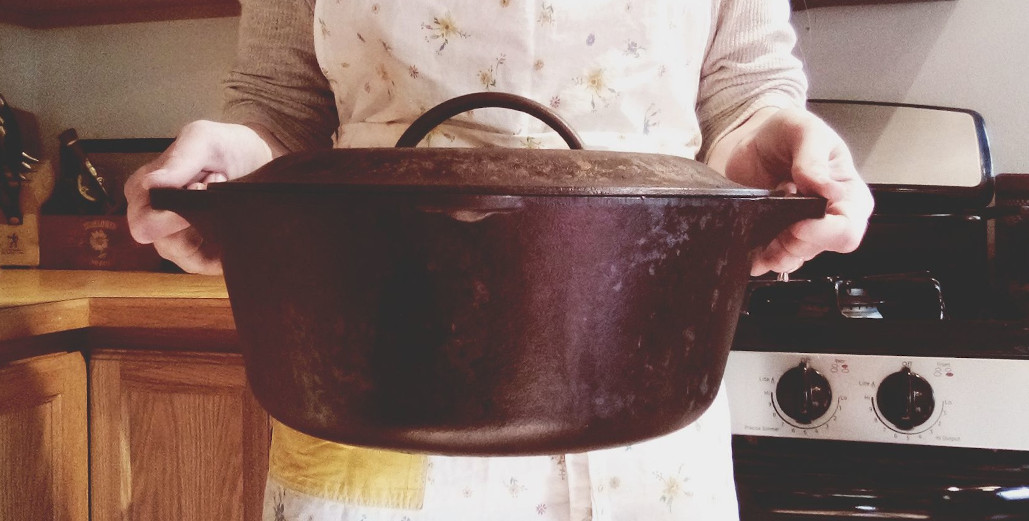
Dutch oven baked beans

One meal that I can make without wondering whether or not I have the right ingredients is baked beans. Except for the bacon (or salt pork), everything else comes straight from my pantry! Now, if you do happen to have some eggs, milk, and butter, corn bread makes a perfect accompaniment to this hearty meal. You can find my full recipe for Dutch Oven Baked Beans right here!

Taco Salad

Taco Salad

People may joke about beans and rice being poor man’s food, but it sure comes in handy when you haven’t been to the grocery store for a while.

I make a meatless version, but you’re welcome to add ground beef, turkey, or moose if you like.

Camille’s recipe is excellent, but you’ll notice it calls for some fresh ingredients like cilantro, limes, and avocados. This meal is just fine without those toppings. (You can add bottled lime juice and dried cilantro if you like.) Substituting canned diced tomatoes for the fresh tomatoes is also just fine; I do it all the time.

I do like to serve taco salad with lots of fresh lettuce, but you can omit that too in a pinch. The one fresh ingredient you absolutely need for taco salad is cheese! Other than that, shop your pantry and enjoy a hearty meal!

Baked Spaghetti

Baked Spaghetti

Call it spaghetti pie, baked ziti, pizza pasta, or whatever you like; this meal is a favorite with all of my boys!

Dried pasta, canned pasta sauce (or make your own with canned tomatoes & tomato sauce), dried herbs, meat, mozzarella cheese, and you’re all set! Bell peppers and mushrooms are nice, but not absolutely necessary.

You can use different meats: ground beef, ground pork, and Italian sausage are all great; but nothing beats the convenience of pepperoni! If you have a package in your pantry, you’ll be ready in a jiffy!

I usually use whatever ingredients I have on hand, but if you want a “fancy” version, try this baked ziti recipe from Happily Unprocessed. It will surely satisfy the cheese lovers among you!

Bean & Bacon Soup

Bean Soup is a simple meal you can make right from your pantry staples!

If you keep dried beans or canned beans in your pantry, you know that they are wonderful for soups! This one is so warm and comforting on chilly evenings.

The only non-pantry ingredients you’ll need are bacon, carrots, and celery. (And onions, if you don’t keep those in your pantry…) You can use either canned or dried beans in this recipe.

It comes together pretty quickly once the beans are cooked, so it’s great for busy weeknights when you suddenly realize suppertime is only an hour away! You can find the recipe here.

Shepherd’s Pie

simple, hearty meals for winter

This old-fashioned meal of meat and vegetables with mashed potatoes on top is a comforting dish all winter long. Here’s the quickie version:

  • Brown a pound of ground meat with a chopped onion.
  • Add canned or frozen peas and carrots.
  • Moisten with vegetable or beef stock. It doesn’t need to be soupy, but you don’t want it to dry out.
  • Season with salt, pepper, and herbs to taste.
  • Place the mixture in a casserole dish and top with mashed potatoes (seasoned with a little salt and pepper).
  • Sprinkle a pinch of paprika on top.
  • Pop in a 350-degree oven for 20-30 minutes to heat through and brown the topping a bit.

I like to divide the meat mixture between two pie plates. Once the dish is prepared, I cook one and freeze the other for later.

How many potatoes do you need? Well, how many do you have? I like a nice thick potato layer, but if you only have two or three potatoes on hand, you can use a pastry bag and pipe potato puffs around the edges of the pan or in a decorative design.

Chicken Noodle Soup

Here’s a classic, home style meal that everyone will love. You can find good chicken soup recipes in many cookbooks, and there’s a recipe for every skill level.

  • I like to start with the leftovers from a roasted chicken. I simmer the bones with odds and ends of carrots, onions, and celery (which I keep in a bag in my freezer) for a few hours to make stock.
  • When it’s time to make supper, chop up an onion, two carrots, and two stalks of celery.
  • Saute the vegetables in bacon fat or butter until tender.
  • Chop up the cooked chicken (or shred, if you prefer) and add it to the pot along with 6-8 cups of chicken stock.
  • Season with salt, pepper, and herbs if you didn’t season the stock. Simmer for 30-60 minutes.
  • Add dry noodles during the last ten minutes of cooking.

Beef Stew

beef stew

This is another ubiquitous meal, and everyone seems to have his own favorite version. I make a few different recipes throughout the fall and winter seasons, to vary the vegetables and broth base. It keeps things interesting!

Here’s a classic recipe I based on my mother’s moose stew:

  • Brown 3/4 pound of cubed stew meat slowly in bacon fat, turning to brown each side.
  • Add 2 cups of water or cider, a bay leaf, a pinch of thyme, a couple dashes of lemon juice and worcestershire sauce, and simmer for two hours.
  • Stir in chopped peeled potatoes and carrots, and a quart of beef or vegetable stock. Simmer for 45 minutes, or until the vegetables are tender.
  • Add a cup of frozen peas and cook 5 minutes longer.
  • Mix 2 tablespoons flour with 2 tablespoons water, and stir into stew to thicken.

Mincemeat Pie

mincemeat pies

Okay, this isn’t exactly a supper recipe, but I just couldn’t leave it out! I absolutely love homemade mincemeat, and it’s so handy to have around! I particularly like mincemeat pies for breakfast, as they are full of protein and not overly sweet.

All you have to do is roll out some pastry and line a pie plate, then fill with canned mincemeat, top with another layer of pastry, and bake. It’s that simple!

Mincemeat is rich and highly spiced, so I particularly like to make mini mincemeat pies in a muffin tin. That way, portion sizes are small, and there’s less opportunity for the filling to fall out of your pie!

You can top the filling with a regular pastry crust before baking, or just decorate the tops of the pies with shapes cut from pastry. I have not had problems with the filling overflowing out of the muffin tin, as long as I don’t fill them to the brim!

By the way, my favorite mincemeat recipe is from the cookbook, A Continual Feast, by Evelyn Birge Vitz! (This is an affiliate link. You may read my full disclosure here.)

Shop your own pantry to find the common ingredients for these comforting, simple meals! Here are 8 dinner ideas using familiar ingredients and simple techniques.

***

That’s my rundown of go-to meals during winter months when we don’t have a lot of fresh produce. (Anybody else have trouble getting lettuce home from the grocery store before it freezes?)

I hope you find some new recipes to try among our favorites! If you’re interested in reading more about stocking a pantry, I have an article on just that!

Happy Homemaking!

~Kimberly