Posted on 1 Comment

Correspondence: The Importance of Writing Letters

Letter writing isn't a thing of the past. Here's why it is still important today, as a skill to learn and an art to practice.
Letter writing isn’t a thing of the past. Here’s why it is still important today, as a skill to learn and an art to practice.

What is it about receiving a handwritten letter that is so delightful? Is it the pretty stationery, the unexpected surprise of a personal envelope amongst the ads and flyers in the mailbox, the time and thought that the writer must have given to it? I believe all three contribute to the happiness I feel whenever I receive a letter from a friend, though of course the latter is the most important.

Why take the time to write a letter, when you could more easily pick up the phone and call your friend, or send an email? Letter writing takes more time, thought, and arguably money than other forms of communication. (Stamps and envelopes aren’t free, but then neither are phones or computers!) Still, letter writing is a form of communication that shouldn’t be ignored and left by the wayside as outdated and inconvenient. The written letter has several points to recommend it.

A More Personal Communication Style

Handwritten letters are more personal than other forms of communication. Are emails or text messages really personal communications? How could a line of text on a screen be anything more than impersonal and utilitarian? You can’t even tell for sure who is sending the message. There is no visual or aural evidence that the “sender” is actually the person you think it is!

Text messaging may be convenient when you have a quick question for someone, but beyond that, I think its usefulness dwindles. Conversations over text messages are unwieldy, and always fraught with the danger of mistaking emotion–or lack of emotion. I have heard many, many cases where one person gets upset and affronted by the perceived lack of emotion from the person she was texting. I myself have experienced this, and seen how easy it is to misconstrue another’s meaning over text messages.

What about emails? One could argue that they are just like sending a letter, except the recipient receives it faster than he would in the mail. Not so, my friend. Emails rely on typed text as well, so they carry the same dangers of removing emotion as do text messages.

Emails might be slightly better at conveying complicated ideas than text messages, simply because they can be formatted as paragraphs and thus are easier to read, but I have had more problems with misinterpreting my correspondent (and vice versa) through email than through text messages. Perhaps this is because people often do try to use emails as a replacement for written letters, and use them to discuss highly personal and emotion-laden subjects.

Communicating Emotion

Your handwriting is an expression of yourself, and can convey emotions much better than typed text. When reading a letter, I can tell when the writer gets excited and starts writing faster, so the words bunch together; or when she is calm and collected, and her words are evenly spaced with letters neatly formed.

Of course, you can hear emotion in a person’s voice on the telephone too. However, I find it more difficult to have a telephone conversation about deep or serious subjects; it’s easier when the conversation stays light. I think this is because it’s easy to get distracted during phone conversations. When I’m on the phone with someone, I’m often simultaneously folding laundry, cooking dinner, or at least keeping an eye on the children. I don’t usually devote all of my attention to the person on the other line.

Now, perhaps that’s a failing peculiar to myself, but I suspect it’s more common than not. Cell phones are designed so that people can take them everywhere, and use them constantly. Since they demand so much time, it’s impossible to give them your full attention even when you are using them, or you would never accomplish anything else!

The Dimension of the Personal

How can letters be more personal than these other forms of communication, when they seem just as distant in space, and certainly more distant in time? It’s an interesting question, if you think about it. What makes something personal? Where exactly is the realm of personhood? It does not exist solely in space or time, since those dimensions are particular to this present world. Angels are not materially present in space, and God is not limited to time, yet we call both God and angels “persons.” Let’s look the other direction down the spectrum: we call human beings “persons,” but not so animals or plants. What differentiates a person from a mere animal?

The personal can be found in the dimensions of rationality and spirituality. Human beings have rational intellects and free will. These characteristics are shared with God and the angels, while our physical bodies are grounded in space and time. Material and temporal things come to an end, but rational and spiritual things do not. They are eternal.

We can experience this through truly human, personal expressions such as great music or poetry. A great symphony never dies; it is forever new, eliciting emotions and longings in people despite great differences in time and space. Poetry does the same, as does classic literature. These are preserved in material vessels -books- but they are really the spoken words of one person to another, or many others. Books may be burned, or fall to pieces with age; but words, once spoken, never die.

Letter writing belongs in the dimensions of rationality and spirituality because it, too, is the work of a person. It is the spoken word of a mind and heart, reaching out to touch another mind and heart. It is the immortal communication between two souls.

Letters can delve deeply into personal matters, even though you are not in each other’s presence, because writing a letter gives you time to think out exactly what you wish to say. Precisely because it takes more time and effort to write a letter than it does to make a phone call or type out an email, letters are more intentional and personal. They reflect more than just what the writer was thinking or feeling superficially at the moment. I can easily have a 30 to 40-minute phone conversation with a friend without discussing anything of importance; but I rarely write or receive a letter that is completely superficial.

Letter Writing Preserves Relationships

Of course, not every letter discusses deeply spiritual or highly emotional matters; plenty of letters communicate interesting news or anecdotes of everyday life. Even these letters of apparent triviality can contribute to a deeply rooted relationship, through the very fact of communication. And even amusing, newsy letters have a more personal feel to them than emails or text messages.

While particular letters may discuss superficial matters, the medium of letter-writing lends itself to more important and universal subjects in general. Phone conversations are just like person-to-person conversations: the tone may be deep in select circumstances, but most of the conversations we engage in on a daily basis are casual. Letters, on the other hand, are more like prose or poetry: writing down each word captures it, so to speak.

Unlike poetry and prose, however, letters have the touch of directly personal communication. They are written to one specific person, rather than a general audience. They speak of universal themes in a personal manner. This is what makes letters so effective for sustaining and strengthening relationships, even when the correspondents live far from each other.

Letters may be kept and re-read over and over by the recipient. The personal letters of many notable writers have been published and read by thousands of people. If you admire a particular writer for his wisdom, empathy, or portrayal of reality, then reading his personal letters can offer even more insight into his character and development of ideas.

Letter writing isn't a thing of the past. Here's why it is still important today, as a skill to learn and an art to practice.

Style vs. Purpose

The goal of letter writing isn’t to write such impressive letters that they get published some day. Brilliant ideas and elegant style are nice, but they’re not the point. The goal ought to be relationship-oriented. After all, writing letters is a means of keeping in touch with an absent correspondent.

That said, writing good letters doesn’t happen automatically. It takes practice to learn how to condense your thoughts and explain them in a cohesive manner. It takes empathy and concern for others to write in a way that engages the recipient rather than merely narrates events or rambles off in a monologue that only interests yourself.

More than anything else, perhaps, writing good letters takes a true friend. You probably wouldn’t write a personal, philosophical letter to a slight acquaintance you barely know, or to a relative you haven’t seen since childhood. It’s more likely that you would only reveal the depths of your soul to someone you know intimately. Letters can be the means of developing such a relationship, or of continuing a solid relationship after a significant amount of time spent together.

The most important factor isn’t the amount of time you have known the person, but the amount of thought and effort you have put into the relationship–or decide to start putting into the relationship. Think about a soldier who falls in love just before going off to war. Letters to and from his sweetheart are the only way he really gets to know her and develop a relationship over the course of several years. Yet, by the time he returns from foreign lands, the soldier and his sweetheart have formed a deep, close relationship and are ready to enter into marriage. Letters that started out tentative, superficial, and emotional can transition to more meaningful and personal communications.

Likewise, letter writing can take an existing friendship and bring it to a much deeper, more intimate level. Letters allow you to share joys and sorrows, encourage each other, and call each other on to higher aspirations. Written words have the power to change another’s mind and heart, to build up or to tear down, and they should always be used with due respect and love.

How to Write a Letter

If you aren’t in the habit of corresponding by letter, it can seem daunting at first. Getting started might just be the hardest part! If you’re at a loss, try this method to begin:

  1. Pick a friend or relative to write to. Make sure you have the person’s address.
  2. Gather the necessary materials: paper, pen, envelope, stamp.
  3. Begin your letter with a brief and friendly salutation, such as: “Dear Aunt Clara, How are you? I hope you have been enjoying the warm spring weather.” General enquiries after health and wellbeing are also appropriate.
  4. You may begin with general topics such as weather or recent events before moving to more personal topics.
  5. Ask after the person’s health, family, and general circumstances. Try to find other questions that invite the recipient to share more about herself without being nosy or too curious. Showing concern for the recipient and her family is part of being a good friend.
  6. Relate something about your own life recently: changes in jobs or relationships, new ideas or plans, any events you are awaiting.
  7. Conclude your letter with a heartfelt closure: “Sincerely,” “Love,” or “Cordially yours” are good choices.

Letters do not need to be pages and pages long, or filled with flowery language. Be yourself, and write with sincere good wishes for the recipient. Efforts at kindness and friendship are never wasted!

Letter Writing Supplies

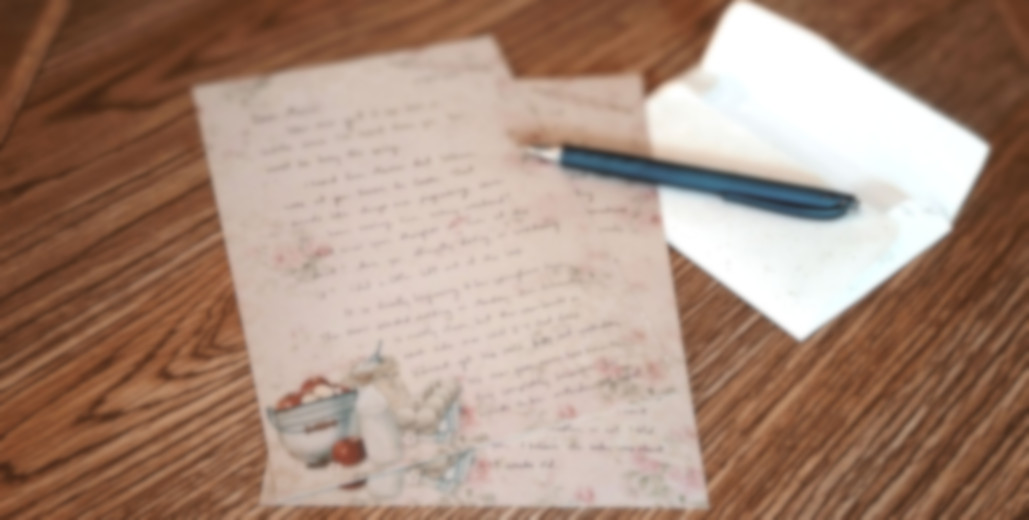
Kitchen and garden stationery by OneHomelyHouse on Etsy

Last but not least, I want to touch on stationery. As I mentioned at the beginning of this article, lovely stationery isn’t the most important part of writing letters–but it does make your letters prettier, and brings delight to the recipient.

We are material beings as well as spiritual, and a little bit of beauty can go a long way toward brightening your day–or your friend’s. I enjoy writing letters more when I use pretty papers, cards, stamps, and stickers. These things make me happy, and they seem to infuse my writing with some of that happiness. I also enjoy receiving lovely cards and letters in the mail. A colored envelope or pretty address label signals right away that this piece of mail is something special.

So if you’re looking for pretty writing paper or greeting cards, hop on over to my Etsy shop! I have several lovely designs for all of your letter writing needs. Fill your greetings with flowers, and watch your correspondence bloom! Etsy is also a good place to find custom address labels, if you are interested in those as well.

Click the image below to visit my shop:

If you enjoyed this article, you may also enjoy my Cultivating Hospitality series: Part I and Part II.

Happy homemaking!

~ Kimberly
Posted on Leave a comment

Traditional Homemaking Skills That Save You Money

These 9 skills will help you to save and manage your money as a homemaker!

Being a homemaker in this day and age presents some unexpected challenges. You might think that life is a piece of cake for modern homemakers, since we have so many more conveniences and labor-saving devices than our great-grandmothers had: from dishwashers and robotic vacuum cleaners to indoor plumbing and electricity, there are certainly many things to be thankful for in the 21st century!

However, with new advancements come new challenges. Homemaking is becoming less and less common a lifestyle choice among women, and this is reflected in the price of just about everything. Why is this? As more and more women work outside the home and earn an income, families can afford more luxuries, and the standard of living increases across the board.

In order to “keep up” with a “normal” standard of living in developed nations, many people would say it is now necessary for both women and men to work full-time jobs, if not more.

Now, I’m certainly not saying that homemaking isn’t a viable option anymore; it is still a good option, and one that should definitely be considered when young women are choosing among different career paths and lifestyles. However, to state the matter plainly, the modern homemaker faces increased challenges in regards to money.

Frugal Living is a Challenge for Today’s Homemaker

In Great-Grandmother’s day, perhaps her family didn’t have much extra money to spend; but chances are, her friends and relatives were in a similar boat. She had others she could relate to about financial difficulties, and perhaps learn from them some creative ways to make do with what she had.

Today, if you are a family trying to survive on one income so that the wife can be a homemaker (whether she’s raising children at the moment or not), you are the exception instead of the rule. And that can be daunting.

While your friends can afford the newest technology, vehicles, and clothes, you might be driving a ten- or twenty-year-old car and making do with secondhand clothes. Worse still, if you don’t have any close friends or family members who are homemakers, it’s easy to feel alone and “left behind” the rest of the world.

You might start to feel like everyone else has more than you, and it’s not fair. I completely understand this attitude, but it’s dangerous and unhealthy. It’s not healthy for your marriage or your vocation as a homemaker. It can make you dissatisfied with your life, and start focusing on money as the ultimate goal.

The good news is that you don’t have to think this way, and there are many practical things you can do as a homemaker to help with your family’s finances. Learning a few traditional homemaking skills can go a long way toward improving your financial situation. Some of these skills involve saving money, others help you manage your money better, and still others provide ways for homemakers to make some income themselves. Today, we’ll cover ways to save and manage money.

Traditional Homemaking Skills That Help You Save Money

Creativity is key when it comes to saving money without feeling stinted. It’s one thing to say, “We’re not going to spend any extra money this month,” and quite another thing to actually carry it out! If you start thinking in terms of “we can’t do this or that,” it’s easy to get frustrated and start feeling like you’re living in the poorhouse. That’s where creativity comes in, my friend! These skills will help you to find positive ways to save, instead of negative ways (“We can’t order pizza this month”, etc.)

Baking bread

These 9 skills will help you to save and manage your money as a homemaker!
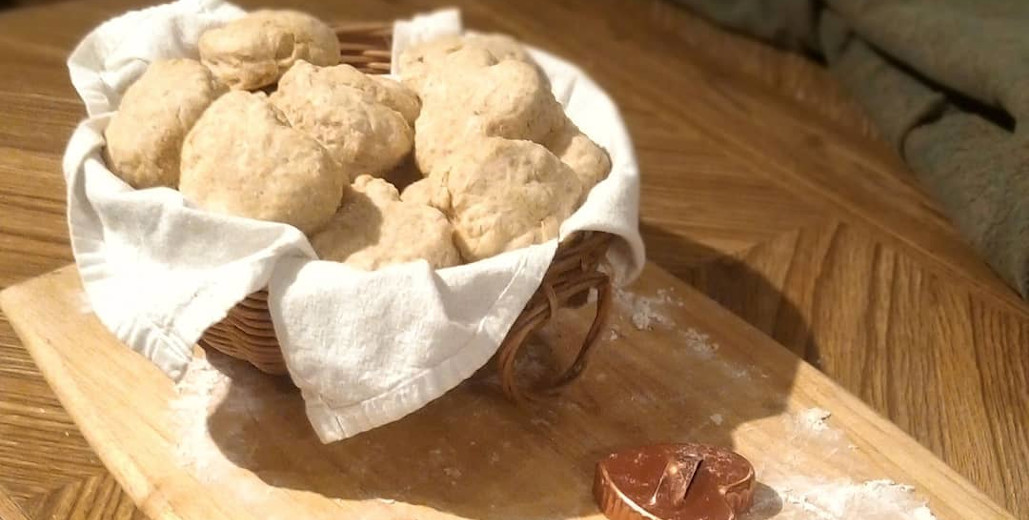
Baking your own bread is much less expensive than buying it at the store… not to mention much tastier!

This one’s first on the list because it’s my favorite! Baking bread can shave quite a bit off of your grocery bill: probably more than you would expect. Think of all the bread or baked items you buy: not just loaves, but buns, muffins, tortillas, bagels, cookies and cakes, etc.

You might think these items are cheap and not worth making yourself. But wait: the price of one whole-grain loaf of bread is roughly $4.00-6.00 (in my area, at least). Or I can buy a 5-lb. bag of whole wheat flour for $6.00, which will yield approximately 6 loaves of bread.

Yes, there are other ingredients in bread, and they do cost money: yeast costs me approximately $0.08 per loaf (I buy mine in bulk); salt costs $0.02 per loaf; and sugar costs $0.02 per loaf. If you use butter or oil, that will add an additional $0.02-$0.25 per loaf. So we’re looking at a total cost of $1.27 for one loaf of homemade whole wheat bread.

If you use all or part all-purpose flour or bread flour, the cost will be even lower (whole wheat flour is more expensive). That’s a significant savings when compared to a $6.00 loaf from the store! Bread baking is a skill to be learned, and it does take practice, but the results are well worth it, both in flavor and price.

Gardening

Do you have memories of visiting your grandparents, and helping with a big garden full of vegetables? Like bread baking, it’s much more convenient to pick up your salad fixings from the grocery store or farmer’s market, but the convenience is costly. I know vegetable prices vary widely by region and season, but home grown is always less expensive.

I can buy a head of leaf lettuce for about $1.50 during the summer, or $2.99 during the winter. But a packet of seeds only costs $1-2.00, and yields enough lettuce for months. Even if you don’t want to start seeds yourself, buying lettuce plugs or starts from a local greenhouse or farmer’s market shouldn’t cost more than $0.50-$0.60 per plant.

You will see even more savings with other vegetables, like tomatoes: if your plant costs $3-4.00, and you harvest 20-40 tomatoes from it, the price of each is $0.10-$0.20 per tomato! Like baking, there are other costs involved with gardening: soil, fertilizer and mulch (natural or not), watering apparatus, etc. But when you divide the costs among each plant, they become negligible. Now, I know that gardening can become expensive if you let it; but the basics shouldn’t put too large a dent in your pocketbook.

Buying in bulk

This is one instance where buying more at a time can actually cost less! Over time, of course. But learning how to spot a good deal and stock up on pantry basics when they’re on sale can save you money down the road. This skill is a bit tedious to learn, as it involves paying attention to normal prices and sales; but once you have it down, it’s really not that time-consuming.

If you’re new to bulk buying, the best tool you can use is a price book. Get a small notebook and write down one item of food you commonly buy at the top of each page: for example, apples, applesauce, baking soda, brown rice, etc. It is helpful to start at the beginning of the alphabet and work your way through, so it’s easier to navigate your price book later. Don’t feel like you have to include every single item you’ve ever purchased; just start with the basics. You can always add more later.

Next, bring your price book along to the grocery store the next time you shop. Note the unit price of each item you buy, as well as any sale prices. The unit price is the price per pound, ounce, liter, or whatever unit of measurement is used for any given item. You can usually find it in a corner of the price tag, in small print.

Comparing unit prices helps you to compare prices on items which are in different sizes of packaging: for example, 15-oz. cans versus 29-oz. cans. This can be particularly helpful when you are comparing different brands, or sale prices of name brands versus the regular price of store brands. For more tips on using price books and saving money on groceries, read the Beginner’s Guide to Grocery Shopping and Ultra Power Saving Mode for your Grocery Budget.

Meal planning

Meal planning is one of those tricky things that can help you save a lot of money–or it can help you spend even more than usual! The basic idea is that you write out a list of meals for the week or month, and then only buy the ingredients you need for those meals. If you’re an impulse shopper, this could clearly help you save a lot of money!

However, if you’re really trying to save money, you need to be careful about which meals (and ingredients) end up on your menu. It’s fun to plan fancy meals, right? But looking at your grocery receipt later might not be so much fun. Once you get the hang of meal planning, it’s quite simple. I’ve got all the information you could want about meal planning right here! Check out Easing into Meal Planning and Why You Should Have a Simple Meal Plan.

Using leftovers

This is everybody’s favorite subject, right? Leftovers don’t have to be boring (or worse). There are plenty of ways you can transform leftovers into something (almost) new and exciting! But sometimes we lack inspiration for what to do with a little of this and a cupful of that.

Wouldn’t it be nice if there was a list of meal ideas for common leftovers like meats, rice, and pasta? Guess what? There is! 16 Ways to get Creative with Leftovers is your cheatsheet for success when faced with a fridge full of random containers. Or read about How to Use Leftovers and Prevent Food Waste if you frequently find yourself throwing out spoiled food.

DIY household items

Did you know that many common household items can be made right at home–for a fraction of the price? Cleaning products, beauty products, toiletries, and a host of other items command a premium for their flashy packaging or brand names, but you can make them for a few cents with some basic ingredients. Try making your own soaps, lip balm, natural cleaning solutions, laundry or dishwasher detergent, and more! Here are a few resources I’ve found helpful:

Mending your own clothes

Instead of throwing out those ripped jeans and buying another pair, why not mend them and use them for gardening or other messy jobs? Why consign your favorite top to the back of the closet merely because it lost a button or a seam is coming undone? Did the zipper break on your winter coat? That can be replaced too–and zippers are a lot cheaper than new coats!

With a few simple sewing skills and inexpensive items like needles, thread, and thimbles, you will be ready to tackle all sorts of clothing catastrophes! Sewing machines are nice, but they’re optional for mending purposes. You can definitely mend clothing by hand; but it’s okay to keep an eye out for a nice used sewing machine, too!

Finding quality used clothing

This goes right along with the previous skill. New clothing costs a pretty penny, and keeping a family well dressed can be a daunting task for today’s housewife. Old clothes can be mended once or twice, but they might not be presentable for church or outings anymore. Acquiring the knack for spotting quality clothes at thrift stores, consignment shops, or garage sales becomes an important skill.

Why does quality matter, if you’re buying it used anyway? Well, quality matters even more when you’re looking at previously owned garments. Some pieces are cheaply made, and begin to unravel or stretch after only a few washings. If you’re shopping at a thrift store, that cute top might be only one washing away from garbage! In order to avoid this predicament, stick to quality brands and natural fibers. These will stand the test of time much better than clingy polyesters or spandex. For more tips, read How to Find Quality Clothes on a Budget.

Budgeting

Speaking of budgets, this is one of the best tools you can use to help keep track of your finances and, ultimately, save more money. Have you ever gotten to the end of a month and wondered where all the money went? Budgeting answers that question by showing you exactly where you spent each dollar.

Its usefulness goes far beyond merely keeping track of your spending, however. Budgets allow you to plan a certain amount of money each month for housing, food, utilities, gas, and anything else. This shows you clearly how much “extra” money can be spent on unnecessary or fun purchases without putting you into debt or digging into savings.

Do you think budgeting won’t work for you because your income isn’t the same every month? Think again. I’ve been in that boat for most of my married life, and budgeting still helps. Yes, we have months where we spend more than we make, and other months where we can save a lot. Budgeting helps us to rein in our spending during the good times, so we have enough left over to get us through the lean times–and still save. I like the EveryDollar app because it’s free and simple to use, although you can pay for an upgraded version if you like.

***

These 9 skills will help you to save and manage your money as a homemaker!

I think that’s enough for one day! These nine skills are simple enough for any homemaker to learn, and fit well into the daily rhythm of a modern housewife. They may take a little while to learn, but over time you will become more adept at saving money, and more confident in managing it! I hope this list inspires you to try your hand at something new.

Happy homemaking!

~Kimberly

Posted on 3 Comments

How to Refresh Your Home Without Spending Money

Does your house need a refresh? Sometimes organizing and rearranging is all that's needed to make you happy in your home!
Does your house need a refresh? Sometimes organizing and rearranging is all that’s needed to make you happy in your home!

Around February or March every year, I get the urge to change things up around my house. Maybe it’s due to the long Alaskan winters, when I’ve just spent several months inside. Maybe it’s some ancient instinct for cleaning and tidying in anticipation of spring. Maybe it’s just my fickle nature that likes to see something new once in a while. Whatever the reason, I always seem to find lots of energy to thoroughly clean, tidy, and reorganize our cabin this time of year.

This desire to see something new sometimes makes me want to go out and buy things to make my house look pretty. But this isn’t always the best solution. I like to see what I can do with what I already have, before heading out shopping. You can too, and you might be surprised at what a change you can make to a familiar space just by a few simple fixes.

Disclosure: This post contains affiliate links. If you click the link and make a purchase, I may receive a small commission at no extra cost to you. Please read my full disclosure here.

1. Clean and Discard

This is usually the first step. Take one room at a time, and one cabinet, shelf, or counter in turn. Take everything out and clean it before putting the items back.

As you put the items back, ask yourself if you really need them. Is there any expired food in your kitchen? Are you keeping clothes that are worn out or you’ve never worn? Have you ever opened this textbook you saved from college? How many blank notebooks does one really need?

Discarding some items always helps with organization later! During your initial cleaning and discarding, you might find yourself with empty boxes or storage containers. Save these! You might find a different area to use them during a later step of the process.

The cleaning step doesn’t have to mean completely turning your house upside down and cleaning every nook and cranny. If you don’t want to combine tidying with spring cleaning, I understand. Spring cleaning is a big enough job on its own! However, I can’t take everything out of a cupboard to organize it and NOT wipe down the cupboard while it’s empty.

So, you have two options: you can either consider this organization spree as getting a head start on some of your spring cleaning (without trying to tackle it all), or don’t think about spring cleaning at all, and just clean messes as you come to them in the course of organizing.

2. Step back and look at each room

Sometimes this step actually has to come first, before you take everything apart to clean. (This is true for areas that are already messy.) Are there problem areas in a room, places that are always messy? How can you reorganize the items in that space to make them fit better, or reimagine the space to make it less of a dumping place?

(Sometimes this can take a while. I’ve sat and stared at an overflowing bookshelf for longer than I care to admit before inspiration struck!)

Here’s where your saved storage containers and boxes come in handy. Even cardboard boxes can be helpful to visualize whether or not a rearrangement idea will work in a particular space. For example, if you’re trying to organize a shelf that’s always messy, some baskets or boxes placed on the shelf can help keep things contained better. But if you don’t have enough pretty baskets or bins lying around, you can use cardboard boxes as a temporary solution.

I know it’s not pretty, but this prevents you from running out and buying more storage containers before you’re finished organizing the whole house. Remember, you might find more storage containers in a different room that could be repurposed! It’s a good idea to wait until the whole house is organized before you buy anything new.

Give each shelf a purpose

Sometimes the answer to a problem area is that you just need to change or define its purpose. If a table or shelf doesn’t have a specific function, it can easily become a place where random objects get set down and forgotten.

I had a shelf in my kitchen that didn’t have a specific purpose, and it was always messy. Papers piled up there, objects that needed to be put away, things that didn’t have a home… it was always an eyesore! I decided that since I obviously didn’t need that shelf for storing kitchen things, I would turn it into a decorative shelf. Now it’s the prettiest place in my kitchen, and (almost) never messy.

Think about whether or not any of your problem areas need a real purpose. This can be a great opportunity to find decorative spaces you didn’t even know you had! You can even use prominent tables or shelves for extra storage, if you need it. Find pretty baskets or boxes to arrange neatly, and you’ve created an appealing space that also serves a useful purpose.

3. Try different furniture arrangements

Even if there are no specific problem areas, you may want to look around the room and imagine some different furniture arrangements. If the furniture isn’t too heavy, you might enjoy moving it around to different places, just to see what looks nice.

You could discover that different furniture arrangements make more sense in the spring and summer, as the light changes and the trees eventually get their leaves. Perhaps you could move your favorite chair closer to a sunny window, which might have been too chilly in the winter.

You might think this step is a waste of time, because you’ve found the ideal placement for all the furniture in a room. I know the feeling, but I’ve been surprised when we suddenly gained more space by adding another piece of furniture, which forced us to rearrange the pieces that were already there! Since then, I have tried to keep an open mind about different ideas, and embraced the opportunity to occasionally change furniture arrangements!

4. Ask yourself if there is anything that particularly bothers you about each room

Are the curtains hung wrong? Maybe it’s time to set them straight. Do some colors or patterns clash? See if moving the offending object across the room or to a different room helps.

Is there some piece of furniture or artwork that you just don’t like? Aside from getting rid of the object entirely, you could try covering a piece of furniture with a pretty cloth or slipcover.

If you have a fabric stash in your house, you can work magic without heading to the store. New curtains, or even new trimmings on old curtains, can add interest to your windows. Fresh pillow covers can hide stained or worn ones. A pretty blanket thrown over an ugly chair can completely cover that pattern you don’t like.

In the case of smaller objects or artwork, it might not bother you as much if it was moved to a different location, or grouped with a set of other objects so it is not the sole focus of attention. Or consider putting it away in a closet for a month or two. If you forget about it, you probably don’t really need or want it. Feel free to send it on to a new home!

Finding Time to Organize

If all this sounds great to you, but you can’t just drop all of your other responsibilities to tidy and rearrange your house for a few days, try these tips for making time to organize:

Set aside an hour or two each day

It’s okay to take a little bit at a time, and work through your house slowly. Unless you can come up with a totally free weekend, you will probably need at least a week of smaller increments to finish the job.

Find a time when you’re in a positive mood and not too tired

After supper is probably not the best time, unless you’re a night owl! And if you get to the scheduled time but you’re feeling frazzled or worn out, don’t even start organizing. You will only get more frustrated with yourself. It’s much better to skip a day or two if you’re really too busy, than to try and force yourself to accomplish too much. We want this to be a pleasant task, remember?

Start with an area that’s not too big, but really bothers you

The satisfaction from tidying and organizing a perpetual eyesore will help to motivate you to keep going. However, trying to tackle a big area first can be overwhelming, so don’t pick the biggest mess in the house to start with!

I like to start with something I know I can finish in an afternoon, like one dresser. Maybe even just the top of the dresser, if it’s really messy. If I start with something that I’ve been meaning to organize, that gives me energy to plow through the rest of the house!

Other tips for organizing

Deciding what to keep

Keep things because you like them, not because you think they might come in handy some day or because you think you ought to. Sure, you just might find a use for that metal fitting some day. But 37 plastic containers? A broken bicycle? That vase (or sweater, or picture) which you don’t even like, but it’s from a relative?

Some things are precious because they are family heirlooms, and hold special memories. Some things are objectively useful (like storage containers), but having too many of them makes them just one more thing to store.

The more stuff you have in your house, the more time and energy you must spend in cleaning and organizing it. You must decide yourself which things to keep, but I know for myself, I would rather live with less stuff in a space that is neat and uncluttered, than with a lot of stuff I might need someday.

A Note on Paper

Papers can be some of the most time-consuming things to sort through and organize. One piece of paper takes up barely any space, but when you’re going through them, you have to look at each one individually. This takes both time and energy–and you don’t always see a huge improvement when you’re done, even if you throw out a lot of paper!

For this reason, I always save papers for last, or close to last. If I come across a file or binder of papers while I’m organizing, I move it to my desk until I have leisure to sit down and decide which ones I really need to keep.

Does your house need a refresh? Sometimes organizing and rearranging is all that's needed to make you happy in your home!

Methods of Organization

Some people like to organize room by room, while others advise organizing by each type of item: clothes, kitchen utensils, books, etc. I have done both, and found both to be helpful.

I did read Marie Kondo’s book, “The Life-Changing Magic of Tidying Up,” and tidied my house using her method about a year ago. It was very thorough, and I think everyone could benefit from tidying that way… once. It’s not a process that needs to be repeated every month, or year. (Hopefully!)

However, her method of tidying doesn’t keep your house perfect forever. You still have to put things away where they belong, of course. And if anything new comes into your house, you will need to find a home for it. That is why I still do an organizing or tidying spree once a year: because during the past year, things came into my house, so now I need to rethink the storage spaces that worked earlier.

This time around, tidying went much faster, and I barely had to touch some areas. (I didn’t gain any new kitchen utensils, so they’re still organized from last year.) But in the end, I still gained the same sense of satisfaction in surveying a clean, tidy home.

Tidying and organizing makes me happy to live in my home. I hope it has the same effects for you!

Happy Homemaking!

~Kimberly

Posted on Leave a comment

Gift Ideas for Homemakers

Gift Ideas for Homemakers
A different kind of gift guide: this collection of gift ideas for homemakers focuses on handmade and heartfelt presents.

This is the time of year where you start seeing “gift guides” pop up everywhere, claiming to tell you the perfect presents to buy for just about anyone. There’s nothing wrong with the idea per se; thinking of gifts for everyone in your family can be quite a task!

However, the best gifts can’t be found on Amazon. Some of the most meaningful gifts I’ve been given are handmade, and some of them aren’t tangible things at all!

This gift guide for homemakers is designed to stretch your imagination and help you think creatively about your gift-giving. It is geared toward homemakers or any women who appreciate homey things, whether that’s your mother, daughter, next-door neighbor, or an elderly lady from your church.

Handmade vs. Purchased Gifts

I love making gifts for friends and family members… and I’m always terribly disappointed when I run out of time (or steam) for all of the projects I planned! Also, I know that not everyone has the time or patience for projects like this.

Therefore, I have included links to several small homemaker-run shops in this article. I am happy to support these ladies and their families, and delighted to share their goods with you!

1. Homemade Soaps, Lotions, and other toiletries

Soaps, lotions, and other handmade toiletries make lovely gifts.

These common household items don’t have to be the plain drugstore variety. Brighten someone’s toilette or vanity with a pretty bar of handmade soap or a jar of hand cream. If you wish to avoid fragrances altogether (or just can’t decide which scent to choose), opt for unscented varieties.

Katie has some easy beginner tutorials for soap making and lotion making, if you’re just getting started. She also has many other recipes for pretty, scented soaps on her website, Heart’s Content Farmhouse.

Soap making is a useful skill, and mixing your own scents with essential oils can be fun, but not everyone enjoys this type of messy or lengthy project. If you would rather buy a finished product than make your own, check out these shops:

Soaps: Bowling Bee Co.

Herbal Bath Salts: Under a Tin Roof

2. Candles

Candle burning

What’s more homey than a flickering candle on the windowsill or in the corner of your kitchen? Pretty and practical, candles not only provide light on dim evenings (or during power outages); every room looks more cheerful, bathed in their warm, soft glow.

Making beeswax tapers or jar candles is on my list of projects to try, but I haven’t gotten there yet! Browse through a gift shop for locally-made candles, or visit Laura at CandlesandCoffeeHouse.com for candles, cute mugs, and more! Old Light Candle Co. is another great resource!

3. Baking or Cooking Mixes

winter solstice tea

These mixes can be anything from the soup or muffin “gifts in a jar”, to spice blends, to hot drink mixes… you get the idea. These gifts show that you took the time to make something special, but they can be saved for later instead of added to the already-overwhelming stash of Christmas goodies!

Even better, these mixes help homemakers by speeding up the cooking or baking process. We all know that anything that can make dinner prep less stressful is a winner!

Here are some of my favorite mixes to get your creative juices flowing:

  • Hot Cocoa Mix
  • Herbal Teas
  • Taco Seasoning Mix
  • Steak Seasoning Mix
  • Italian Herb Seasoning
  • Ranch Dressing/Dip Mix
  • Bean Soup Mix
  • Muffin mix (with mix-ins like chocolate, dried fruits, and/or nuts)

If you need a recipe for any of these, I find Pinterest very helpful — for pretty packaging ideas as well as actual recipes! You can visit my Pinterest board DIY Pantry for more inspiration!

4. Stationery or Greeting Cards

Kitchen and garden stationery by OneHomelyHouse on Etsy

Do you know someone who sends thoughtful cards or writes letters by hand? I think it is a wonderful practice, and I really enjoy both writing and receiving penned greetings from friends and family alike.

Pretty papers and cards make these friendly missives so much nicer! Why not give your favorite correspondent a pack of pretty stationery or greeting cards?

You can make your own with colored cardstock and rubber stamps, or choose a design from a friendly little stationery company. *This is a shameless plug for my Etsy shop!* I have greeting cards, letter paper, and recipe cards in several kitchen and floral designs in my shop right now!

5. Kitchen accessories

Old fashioned housekeeping tips for the modern homemaker

Homemakers spend a good deal of time in their kitchens, so kitchen-themed gifts are often very welcome. Anything pretty and new (to the recipient, at least) for the eye to rest on in the course of daily tasks brightens the eye and prompts a smile.

If you are worried about not matching the style of the recipient, choose something with neutral colors that will not be displayed prominently. Here are some useful kitchen accessories that make nice gifts for homemakers:

  • Wooden spoons – new or thrifted, you can never have too many!
  • Tea towels – look for seasonal prints or more neutral hues
  • Recipe cards – you can find many lovely designs on Etsy, such as these!
  • Potholders or trivets – they do wear out or get scorched, and fresh ones are nice
  • Cutting boards – vintage or new, engraved or painted
  • Cookbooks – almost every homemaker I know collects cookbooks to some extent. These are a few of my favorites!

6. Gift Baskets

I love to look at the pretty gift baskets at silent auctions and fundraisers! They are usually themed: family game night, spa day, cookie baking, wine and cheese… the options are endless.

For me, it’s a fun excuse to pick out some pretty things I wouldn’t buy for myself, and arrange them in a thrifted basket with a festive cloth and ribbon!

Here are some more basket themes perfect for a homemaker:

  • Beginner Baking Basket
  • Coffee & Chocolate
  • Holiday Table Trimmings (table runner/cloth/placemats, cloth napkins, napkin rings, etc.)
  • Gardener’s Delight (garden tools, seed packets, bulbs, garden stakes)
  • Simple Sewing Basket (basic sewing supplies plus a simple apron pattern or such)
  • Teatime (fancy teas, silver teaspoons, lacy napkins, scone mix)
  • Wine & Cheese

For even more lovely ideas, see Jamie’s post for 22 different gift baskets!

7. Intangible Gifts

The best gifts aren’t always things. Sometimes it’s hard to think of presents for certain people because they already have everything they need, yet they don’t appreciate frivolous trinkets.

In this situation, sometimes the gift of your time or attention can be the perfect gift. Here are some intangible offerings that many homemakers would appreciate:

  • Babysitting for an evening, an afternoon, or an entire day!
  • Help with yard work (especially for older folks)
  • Organize friends to provide meals for a family with a new baby, during a move, or going through tough times for whatever reason
  • Visit, call, or write to the recipient at least once a week for the next several months. These simple acts show how much you care.
  • Spiritual Bouquet: offer prayers for this person (your family can participate!) for a set period, and send the recipient a card telling her how much she is loved & prayed for.
A different kind of gift guide: this collection of gift ideas for homemakers focuses on handmade and heartfelt presents.

***

I hope you have enjoyed this list of gift ideas for homemakers! Of course there are many more options for homemade and purchased gifts, but this should help you to start thinking creatively for your gift giving!

Last but not least, if you know a homemaker who could use some homemaking inspiration, send her my way!

Happy Homemaking!

~ Kimberly