Posted on Leave a comment

How to Make your House Cozy for Fall

Make your house cozy for fall using all five of your senses! Read how to incorporate sight, smell, touch, taste, and hearing into your home this autumn.

September is here, and with it, thoughts of making your home into a cozy autumn nest for your family. But how does one go about cozifying a house?

If you don’t want to spend many, many dollars at a decor boutique or craft store, don’t fret. You can shop your own house first, and find coordinating pieces for very low prices at thrift stores or auctions.

But this post isn’t about getting you to buy anything. (You might be like me, and not really into decorating for the sake of decorating, anyway.)

I want to detail the elements of a cozy autumn home, so that you can think intentionally about what will help make your home a cozy, comforting space. (Hint: it’s not just about things!) Read on as we explore coziness through the five senses!

Sight

Perhaps the first thing that comes to mind when I think of fall is color. Deep, vibrant hues ranging from golds to crimsons to russets are some of my favorite colors. I love to see the trees and bushes decked out in their autumn glory.

But there’s more to fall than this. You don’t have to stick with a color scheme of red, yellow, and orange. By no means! I’ve taken some of the dominant colors from these five fall photographs to give you an idea of the many and varied shades you can use as part of your autumn palette.

Autumn colors: mountain sunrise
Browns and grays evoke a rustic, natural feeling

The basic idea is to pick one palette, or group of colors, and use those same colors over and over again in your decorations. This makes a space feel cohesive, instead of a riot of different colors!

Fall colors: October afternoon
Even light neutrals can work as part of a fall palette

See, fall colors don’t only revolve around orange and red. You can even include blue, and still keep the autumn theme!

Fall colors: Canning Day
Deep, rich brown tones are warm and earthy

See how the colors in the next two photos are similar, yet one palette is warm and the other is cool? This is how you can use some of the same colors throughout your house, but still add a little variety with one or two different shades per room.

Autumn colors: cozy sweaters
A warm palette with soft colors
Autumn colors: cup of cocoa
A cool palette with soft colors

Again, you’re not limited to a group of four colors; these are just examples. You could even use a different palette for each room in your house, to set a different tone in each! If you need help determining a color scheme, I used Canva’s Color Palette Generator to make these palettes.

Create Coziness with Lighting

You can match your colors perfectly, but add the wrong lighting and the effect will still disappoint. The right choice of lighting, however, can really help create the mood you’re looking for.

I’m not an expert on interior design, but I like to match bright colors with bright (or natural) lighting, and soft colors with soft lighting. For example, take the last color palette above. If you choose soft colors like these, say, for a bedroom, then the cozy effect can be heightened by using smaller, softer lamps instead of a strong overhead lightbulb.

Some spaces in your home do require brighter lighting, such as the kitchen. That’s why I tend to go with light and bright colors in my kitchen: pale neutrals with a pop of color. This suits strong lighting or an abundance of natural light through windows.

How to make your house cozy with lamps

If you’re trying to create a cozy reading nook, make sure that the light you choose is adequate for the purpose. If it’s too soft, (think candlelight only), there’s a good chance nobody will want to sit and read there. Perhaps candles on the mantelpiece or a chest of drawers can augment a lamp on a side table next to your comfy chair.

Smell

Cinnamon and warm spices, ripe apples, crisp morning air, sweet maple, fresh rain on the grass, and earthy damp leaves… these are the scents of fall.

Most of them smell of things outside, but you can bring those aromas of fall inside your home as well.

Scented candles create an autumnal atmosphere instantly with their varied mixtures of scents. I like big candles in the kitchen, and smaller ones throughout the house. Just don’t burn two different candle scents at the same time!

Cinnamon

Aside from candles, you could diffuse cinnamon and clove essential oils. Or try simmering cinnamon sticks, cloves, and dried apple slices in a small pot of water on your stove. This will fill your kitchen with a wonderful spicy aroma.

I find it strange to “waste” food this way, so an alternative is to make hot spiced cider or applesauce with those same spices. This way, you get to smell your efforts, and eat them too! If you want your home to smell like apples, this is probably the best way to do it.

Apples

Apples won’t keep well if you leave them at room temperature, so setting out a dish of them on your kitchen counter isn’t the best idea.

However, cooking them on the stove or roasting them in the oven lets the aroma of sweet, ripe fruit fill your house for hours. (In a pinch, scented candles will do too, of course!)

Crisp Morning Air

How do you bring the scent of crisp morning air inside? Open a window!

If you’re trying to trap warm air inside your house in an effort to delay heating costs as long as possible, I wouldn’t leave windows open all day; but opening one or two for half an hour or so is wonderful for freshening the air in your house.

Maple

The sweet scent of maple syrup is often combined with others, because it’s not very strong on its own (and I don’t know how you would get it alone, save for warming a pot of maple syrup on the stove!)

Here are some ideas for combining maple with other fall scents:

  • Make maple lattes in your slow cooker. The low heat will help the aromas of coffee and maple (and cinnamon or pumpkin, if you choose to add those) waft throughout your house and draw people magnetically to the kitchen!
  • Try the same method above of simmering spices in a pot of water, but add a little maple extract to them.
  • Make maple-flavored treats such as baked oatmeal or maple cookies.

Fresh Rain & Damp Leaves

The scent of rain on the grass is best left outside, or enjoyed through a cracked window. I don’t want rain coming inside, though!

The smell of damp leaves is another scent that I like best outside. You can bring branches or colorful leaves inside and display them, but I find the smell rather mouldy and unpleasant inside my house. If you want to display colorful leaves, dry them first!

Touch

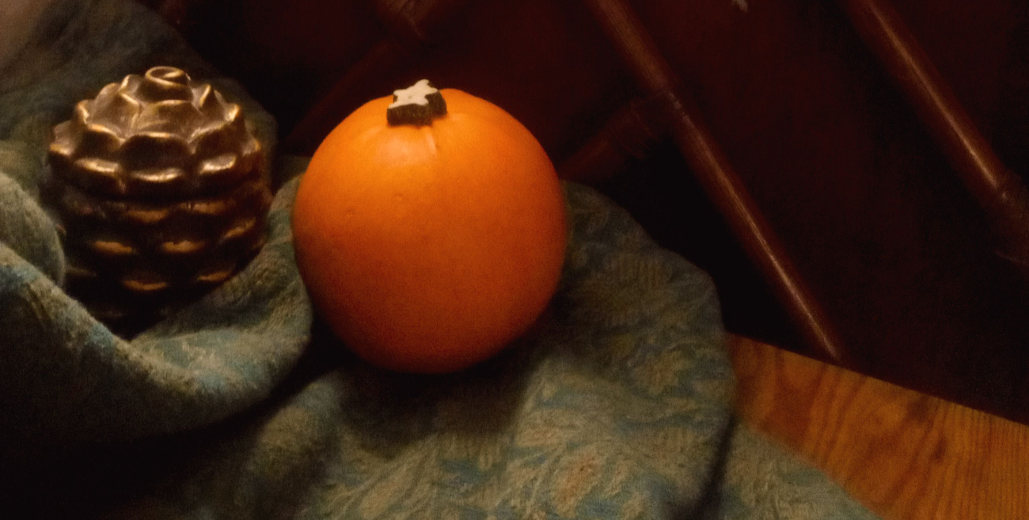
How do you add autumn textures to your home? Bring the outdoors in with bumpy squashes, crisp dried leaves, feathery or prickly dried grasses, fragrant dried herbs or flowers, and bunches of fresh fall flowers.

Cozy fall textures: herbs drying, pumpkins, pinecones, and hefty fabrics

You can create cozy spaces in your house with woolen or flannel blankets and pillows, warm knitted sweaters, braided rugs, and quilts. Use knitted or crocheted accents to soften a bare table, or over it with a homey cloth.

Not everything needs to be soft fabric, though. You can still achieve a cozy feeling by contrasting the soft textures with rustic wood or tarnished brass. Hard surfaces like these can add depth and structure to your spaces.

Taste

Autumn is harvest time, and the tastes of the season reflect the crops that are ripening: squashes, pumpkins, corn, potatoes, apples, grapes, and cranberries. Using these ingredients in your cooking helps keep your meals in tune with the changing seasons, even if you don’t have a garden yourself.

After a long summer of hot weather, chilly fall evenings make a simmering pot of soup very welcome. Use vegetables from your garden or the farmer’s market for a flavor as earthy as fallen leaves and as fresh as autumn’s deep blue skies. I love a simple vegetable soup that showcases fresh veggies and herbs, perhaps with dumplings or barley added to the broth.

Hearty, crusty breads pair well with soups. Savory additions, such as herbs or cheese, make a rustic loaf extra special. If you need a quick bread, try scones with grated cheese and herbs. Apple cinnamon scones are also nice, particularly for breakfast. Throw in some walnuts or pecans for crunch. You can use any basic scone recipe for these, but maybe I’ll post my recipe for this combination anyway, because it’s so delicious!

Make your house smell cozy and inviting with freshly baked goodies!

My favorite sweets to bake in the fall involve apples and pumpkins. Apple pie, apple crisp, apple dumplings, old-fashioned apple cake with warm sauce… these bring back many autumn memories. Pumpkin bread or muffins, pumpkin spice snickerdoodles, pumpkin bundt cake, and pumpkin french toast bake are some of my favorite pumpkin recipes.

Hearing

Leaves rustling, wild geese calling, rain pattering, squirrels chattering… these are the sounds of fall. You can hear them if you listen.

Take a walk in the woods and listen to the sighing breezes and small creatures scurrying to store food for the winter. Come inside for a cozy chat with a friend over a cup of tea. Listen to the happy prattle of children as you bustle about the kitchen. These are the sounds of fall. You can hear them if you listen.

What kind of music blends into the autumn mood? In the genre of folk music, Appalachian picking tunes always remind me of fall. So do sad Scottish ballads.

Fitting classical selections highlight woodwind instruments. To borrow a thought from one of my favorite books:

The breezy days of autumn find their musical reflection in the rich, breathy tones of the woodwinds. From panpipes to bassoons, this family of instruments reminds me of wind flowing through the withered grasses of summer, through Queen Anne’s lace, black-eyed Susans and goldenrod, through cornstalks and haystacks, and finally rising up through the bare branches of powerful trees.

The woodwinds bring a radiance to the background of strings and harpischord so very like the radiant sun of Indian summer.

Paul Kortepeter, “Let’s Have Tea Together”
Make your house cozy for fall using your 5 senses! Read how to create coziness with sight, smell, touch, taste, and hearing this autumn.

Bringing it all together

I hope these ideas about creating cozy spaces in your home inspire you to get started making your house cozy for fall! I find it fun to incorporate all of my senses in making my nest cozy.

One last thought I want to mention: don’t forget to leave some room for living! Decorating is great, but if everything in your house is arranged just so, your family may start to feel like they aren’t supposed to touch any of it. The goal of making your house feel cozy is so that people will feel welcomed and loved.

For more autumn inspiration, read about hosting a cozy autumn tea party or 10 favorite things to do in the fall!

Happy homemaking!

~Kimberly
Posted on 10 Comments

13 Housekeeping Secrets from our Great-Grandmothers

Old fashioned housekeeping tips for the modern homemaker

Hi there, homemaker! Do you ever feel like all of our modern conveniences aren’t as helpful as they seem to be? Perhaps you look at experienced homemakers and wonder how they ever manage to get everything done, when you can barely keep up with the laundry and cooking. (And let’s not talk about cleaning!)

Now, dishwashers and vacuum cleaners have their place, and I sure love my washer and dryer after living without them for a year! I don’t mean to reject all labor-saving devices, but sometimes a simple solution is just… simpler.

And sometimes simpler is better than faster.

I’ve often found more joy in doing something “the old-fashioned way” than by using appliances or electronic devices. Sure, those devices can help you get more things done faster, but I enjoy the satisfaction that comes from doing things yourself and giving a task your best effort.

This list of old fashioned housekeeping tips from an older generation might be just the right amount of labor-saving inspiration!

Old Fashioned Housekeeping Tips from our great grandmothers
Pretty, practical, and pink! Aprons are a homemaker’s best friend.

1. Wear an Apron

Why is it that housewives of past generations considered aprons an essential part of their outfits, but today’s homemakers rarely wear them?

Aprons are both pretty and practical. They protect your clothing from dirt, water, and all kinds of messes. They provide large pockets that are easily accessible — a feature that most women’s clothing lacks.

They can be used in a pinch to wipe little tears, grab a hot lid, dust a shelf, or carry produce in from the garden. I think it’s time to reclaim the uniform of the homemaker, and wear our aprons proudly!

Simple cleaning supplies like lemons and baking soda worked for our great grandmothers, and they still work today!
Simple cleaning supplies like lemons and baking soda worked for our great grandmothers — and they still work today!

2. Use Simple Cleaning Supplies

If you walk down the cleaning aisle at the supermarket or dollar store, there is an overwhelming array of different products. Our great grandmothers didn’t have all these options, and they cleaned their houses just fine — using common household ingredients that you probably have in your kitchen right now!

Lemons

I love to use lemons for cleaning! They give such a nice fresh scent to surfaces, particularly sinks. If your garbage disposal is getting smelly, toss a lemon peel into it to get rid of the odor.

I wipe down my entire kitchen sink with lemons and baking soda. Then rinse and wipe with a clean cloth. That combination leaves it clean and shining!

You can rub lemons on stainless steel or brass pots or teakettles to remove spots, too.

Baking Soda

You may already use baking soda to remove odors in your refrigerator or car, but did you know that it’s also great for cleaning?

You can clean pretty much the entire kitchen with baking soda and a few extras like vinegar and lemons. Most kitchen surfaces can actually be cleaned with a mixture of baking soda and water: sinks, counters, range hoods, and microwaves.

Baking soda works as a deodorizer for upholstered furniture, rugs, and even mattresses: simply sprinkle some over the surface, wait about 15 minutes, and then vacuum it up.

You can use baking soda in the bathroom too! Sprinkle some on a damp rag or sponge, and wipe down your shower and shower curtain to get rid of mildew.

Salt

Salt is abrasive, so it’s good for scouring. This is handy for cleaning cast iron (which should not be cleaned with soap). Just wet the skillet, pour in a tablespoon or so of salt, and go at it with a damp scrubber or rag.

Salt is also good for cleaning dishes with caked-on messes, or for really getting all the gunk off of your cutting board.

Vinegar

Vinegar is great to use all around the house for cleaning! Use white vinegar or apple cider vinegar, if you prefer that scent.

Wipe down stainless steel appliances, the inside of the dishwasher, and inside your washing machine with a vinegar-soaked rag.

Dilute vinegar with water to clean floors and glass surfaces.

The best way to clean windows is with a vinegar and water solution and newspapers!

Got a clogged drain? Mix vinegar with baking soda, and let that foaming mixture sit in the drain for a few minutes. Follow with plenty of hot water, and you should be all clear.

P.S.~ Here’s a super simple homemade natural cleaner recipe using citrus peels, vinegar, and herbs!

3. Stop dirt at the door

Keep a designated rag or an old towel by the door during spring and summer months to wipe messy bare feet as soon as they come inside, and stop them from tracking dirt all over the house. It also helps on rainy days, to wipe up water from boots or umbrellas.

If you have more than one door leading inside your house, keep one rag at each entrance — or designate one of them as the “messy” entrance, with a big mat for shoes and a rag for wiping up dirt.

4. Consolidate your trips to the grocery store by buying in bulk

Do you ever think about how much time you spend grocery shopping? There’s time spent driving to and from the store, time shopping, time just looking at new things…

It’s not all bad, of course. I look forward to my weekly excursion to the grocery store. But that’s the key point: it’s a weekly trip. Not every other day. The more days you run to the store, the more time you spend shopping.

In order to shop only once per week, you will need to buy a larger amount of food than you would if you normally shop two or three times a week.

To take this one step further, I usually stock up on dry goods on my first shopping trip of the month (or when they go on sale). It’s nice to know that I have enough flour and rice to get through the month, so I don’t have to go through my entire pantry when making a shopping list each week.

Read more grocery shopping tips here!

5. Store dry goods creatively if you don’t have a large pantry

If you’re wondering how in the world to store 20 lbs. of flour when you don’t even have a pantry, don’t fret. I’ve never had a real pantry yet! I hope to one day, but in the meantime, I have found that you can store food in other places just as well.

Garages work well, as long as they don’t get too hot or humid. (Just remember to store food in sturdy containers with tight-fitting lids to deter pests!) Linen closets work fine, or any other storage space you might have.

Of course, the kitchen is the most convenient place to store dry goods; but if you buy in bulk, you can always keep a small jar of something in the kitchen, and the rest in a different location.

My mother has several tall bookcases with doors in her garage, which she uses for extra pantry space. As a child, I was sent down to “Pantry No. 2” all the time to refill a jar of raisins or bring up more flour.

Read more about stocking a pantry here!

6. Save old towels, clothing, and cloth diapers to use as cleaning rags.

Why clean with paper towels if you have old t-shirts or other clothing that can be turned into rags? Rags can be washed and reused again and again — a win for the planet and your pocketbook.

I have found that the best cleaning rags are old, worn-out cloth diapers. They are soft and absorbent, and the holes don’t matter if you’re just using them to clean!

If you don’t have babies in the house, you can save other items of worn-out clothing or linens. T-shirts are easy to come by, but they aren’t very absorbent, and they are not the best for cleaning. I save them for the really messy tasks, so it doesn’t matter if they end up getting thrown away.

7. Show your broom some love

Does your broom look all bent out of shape? Are the bristles frizzy or dirty? Caring for your broom properly will help it to last longer and keep working hard.

Hang your broom instead of standing it up in a corner or closet. This will keep the bristles straight, and they won’t break as easily.

Clean your broom when it starts looking dirty by soaking it in a bucket of warm water with a few drops of ammonia for about an hour.

8. Let your dishes soak

If you’re faced with a pile of pots and pans with burned, caked, or otherwise stuck-on food, you could spend an hour or two scrubbing away. Or, you could soak those extra-dirty dishes in hot, soapy water, and come back to them later.

Give those dishes a good 20-30 minute soak in water almost too hot to touch and plenty of soap. If the food is still stuck on after that, go ahead and leave it to soak overnight. This trick has saved many a homemaker at the end of a long day.

9. Save your old toothbrushes for cleaning

Toothbrushes come in very handy for cleaning. Anywhere you have small spaces or crevices that are hard to clean with a cloth, toothbrushes do a much better job.

Scrub the crevices and corners of your windowsills with a toothbrush dipped in warm water, and dry with a clean cloth.

Clean the grout between shower tiles with a toothbrush, too. It takes some elbow grease, but is very effective! If warm water just won’t cut it, try making a paste of baking soda and water or vinegar. This does the trick every time!

Just make sure to store your cleaning toothbrushes away from little hands! You could consider labeling them too, for the benefit of family members who can read!

10. Clean up while you cook

After enjoying a nice supper or a dinner party with friends, would you rather relax on the sofa or face a sink full of dirty dishes? I’m not advocating leaving those dishes in the sink all night!

But if you have some down time while you’re cooking dinner, it can be a huge help to start washing some dishes early. At least for me, once I sit down at the dinner table, I lose my motivation for housework!

Even if you don’t have all the cooking dishes washed before dinner, every little bit helps. This really goes a long way toward making your evenings more enjoyable.

Wearing a dress around the house makes me feel like I've just stepped into the pages of "Little House on the Prairie!"

11. Have a designated laundry day

How did pioneer homemakers stay on top of the family’s laundry, back before they had washing machines and dryers? They had a laundry day, and did it all at once.

Now, you and I probably don’t have to wash our clothes in a giant kettle or use a wringer washer and a washbasin, but this old fashioned housekeeping tip is helpful nonetheless.

If you designate one day of the week as laundry day, and really focus on that task until it’s done, then you don’t even have to think about laundry for the rest of the week! Laundry is not my favorite task, so that’s a big benefit in my book!

The key, of course, is to work on the laundry until it’s actually done, and not leave it halfway done for tomorrow… that’s how the job can drag on all week and make you feel flustered and behind on housework. Nobody wants that!

12. Use the Sun

This is one old fashioned housekeeping tip that should never have been forgotten!

Sunny afternoons do more than just boost your mood and put a smile on your face — although that is a wonderful thing in itself! Sunlight kills some bacteria, and acts as a natural bleach or whitener.

Hang linens out on a line on sunny afternoons to freshen them. Quilts, blankets, comforters, and pillows can all benefit from this! They will smell fresh and clean when you bring them inside.

White linens that are looking rather dingy can be made whiter by hanging them in the sun for several hours.

Hanging cloth diapers on a clothesline on sunny days also helps to get rid of any pesky stains! I know my cloth diapers are always whiter in the summer when I use my clothesline, than in the winter when I use my dryer.

A weekly housekeeping schedule can help you to be more efficient and less stressed.

13. Tidy as you go

I set aside one day in my weekly housekeeping schedule for cleaning, but that doesn’t mean I don’t clean anything the rest of the week!

Make it a habit to leave a room tidy when you walk out the door: make your bed before you leave your bedroom in the morning; wash the dishes and wipe down counters after breakfast; straighten the living room before your husband comes home from work; sweep the kitchen floor every night after dinner.

These little habits of keeping things tidy make your house feel more peaceful — and they make less work for you on cleaning day!

These old fashioned housekeeping tips will help you enjoy housekeeping more and refine your skills!

***

I hope you enjoyed these good old fashioned housekeeping tips! What are some homemade or old fashioned ways you incorporate into your housekeeping?

Happy homemaking!

~Kimberly

Posted on 3 Comments

How to Find Quality Clothes on a Budget

How to Find Quality Clothes on a Budget

As you’re getting into the groove of homemaking, eventually you will stumble across the issue of buying clothes. I don’t mean that homemaking requires a particular kind of clothing; it doesn’t. (That’s a huge benefit, in my opinion!)

I just mean that at some point, you will need to buy more clothing — and you may need to make some adjustments to your previous methods!

If you’ve been working and living on your own, you might be used to spending as much as you like on clothes, and buying garments that suit your job, social life, and hobbies.

Then when you become a homemaker, you might find yourself with a closet full of clothes that no longer seem to fit your lifestyle. Add to that the fact that you’re probably on a budget now. (And even if budgets aren’t new to you, becoming a homemaker changes them!)

Suddenly, you find yourself looking for ways to spend less on clothing, while still dressing well.

Buying cheaply made clothing might seem like the simple answer, but it’s not the best one. Cheap clothing wears out quickly, and needs to be replaced much sooner than quality garments. 

But those high quality pieces can cost a pretty penny, can’t they? Is there a way to find durable, well-made clothing without spending $$$ on your wardrobe? 

There is, my friend! But the shopping method is different, so listen carefully.

Used vs. New

When you’re shopping for clothing that will last, it might seem like new clothing is much better to buy than used. After all, clothing does wear out, and laundering takes a toll on all clothing even if it’s not heavily worn.

Sometimes you find brand name clothing at secondhand stores, but it’s just plain worn out. Don’t buy those! Use your judgment, and follow these tips whether you’re buying new or used.

How to spot quality clothing

All garments are not created equal. Cheap materials or construction make an item much more likely to wear out faster. Learn how to notice these signs of quality, whether you’re shopping at thrift stores or a brand new boutique.

It’s in the seams

Examine the stitching on an item before you buy it. Are there loose threads hanging out? Hems coming loose (or not fully finished)? If you tug gently along the seam, does the fabric around it stretch much more than the stitching? This could cause it to rip out easily.

Know your material

If you’re shopping used, what is the condition of the fabric? Is it pilled, stained, or scuffed? Is the garment stretched out of shape? Does it appear shrunken?

The type of material matters, too. Natural fibers like cotton, linen, and wool tend to wear better and hold up to washing better than synthetic materials. Elastic fibers can break down over time, making garments lose their shape after repeated washings. 

A good rule of thumb if you’re looking for garments that will keep their shape for a long time is to opt for woven fabrics over stretchy ones. Of course, a well-crafted knitted wool sweater may hold up for years. But a clingy top made of fine-gauge polyester is much more likely to snag or get stretched out.

Do your homework on brands

I don’t shop based on brand names, but I do take them into consideration. If you know that a particular brand makes poor quality garments, stay away from them! Well known, trusted brands have a reputation to keep up, so they are usually a better bet for quality.

However, many companies are outsourcing their manufacturing, and the quality of their products may not be what it once was. I have chiefly noticed this in footwear. Sometimes companies will keep one line of products USA-made, and the rest will be outsourced for cheaper labor.

It is worthwhile to do your research on this, particularly if you are considering investing in quality wardrobe staples that you want to wear for years.

A word on clothing styles

When you’re shopping for clothes on a budget, quality isn’t the only consideration. Trends are fun, but how long do they last? Sometimes only for a season; sometimes a few years. If you find a quality garment in a trendy style, the garment is likely to last longer than the trend.

Now, I’m not saying you can’t have your own particular style, or follow fashion trends at all! But we homemakers do need to be practical, and consider the overall composition of our closets.

Before you take home that cold-shoulder sweater, think about how likely you are to wear it three or four years from now. Do you really want to fill your closet with clothing that will look dated in a few years?

Alternatively, consider buying classic styles and silhouettes — at least for wardrobe basics. If you can find high-quality basics in timeless styles that will last for years, you’re golden. Then you can always fill in the gaps with a trendy top or accessories that suit your style.

For more tips on buying used clothes, read Samantha’s article on thrifting quality pieces. I found it very helpful.

Check out these tips for finding quality clothes at great prices! You'll never shop the same way again!

Finding a great price

Now that you know how to pick out quality garments, it’s time to talk about price. Remember how I said that used isn’t always better than new? Here’s why.

Secondhand stores vary widely in price and selection. Some thrift stores are part of national chains, while others are local shops. Consignment shops usually sell higher quality garments than other thrift stores, but their prices will also be higher. Shops advertising vintage or antique clothing will likely have even higher prices. 

Thrift Stores

The area where the store is located plays a big role in selection, and sometimes prices. Thrift shops in more expensive locales tend to carry higher-quality (and less worn) garments than their counterparts in poorer sections of town. 

In places where the demand for used clothing is higher, the prices will be higher; and vice versa. Where I live, there are no large-scale clothing manufacturers, so all new clothing comes with an added shipping expense.

This drives up the value of used clothing in our local thrift store — so much that I rarely shop there! When used clothing prices run 60-80% of retail prices, that’s a good indication that you should look elsewhere. You would be better off shopping department store sales, at that rate.

If your thrift store prices are high, or the selection is mostly poor quality and well-worn items, where else can you find clothes?

Consignment Stores

Consignment stores can be a good option, if there are any near you. Their prices are usually higher than thrift store prices — to begin with. Consignment stores often mark down items that aren’t moving, especially towards the end of a season. I have scored great deals on high quality garments by browsing consignment stores.

They are particularly good sources for shoes, unless you wear larger sizes. Consignment store shoes tend to be in much better condition than the ones you find at thrift stores.

Online Consignment Stores

I've thrifted some of my favorite wardrobe staples, like this shirtdress from thredUP!
I’ve thrifted some of my favorite wardrobe staples, like this shirtdress from thredUP!

Another option to try is thredUP, an online consignment store. They have a HUGE selection, from department store brands to designer labels. Their prices vary widely by brand: the more popular brands command higher prices.

I have purchased from them several times, and am very satisfied with their service. It is a good way to find higher quality, gently worn items at much lower prices than the new stores.

There are shipping and return costs to consider, so I am very careful about which items I purchase from them. I stick with brands that I already have in my closet, so I know the quality of their garments and how their sizes fit.

The downside of online retailers like thredUP is that you can’t feel the garment and examine its craftsmanship before buying. That’s one reason why it’s good to stick with brands you trust.

thredUP does have an option to order a box of ten garments, with free shipping and free returns — minus a $10 deposit that goes toward the price of any garments you decide to keep. This option sounds like a pretty good deal to me, and the only reason I haven’t done it is that it’s not available for Alaska!

Click here for $10 off your first thredUP order!

Etsy

To round out my list of used clothing sources, we can’t forget Etsy. Since Etsy is a platform for handmade and vintage merchandise, you will see some high prices.

But if you’re looking for a specific item and are having trouble finding it in thrift stores, Etsy is where I look next. Again, there are shipping costs to consider, and not all sellers accept returns.

Shop the sales on new clothing

I’ve talked mostly about used clothing, since that is mostly what I buy. However, shopping for quality clothes on a budget doesn’t automatically exclude purchasing new.

You can find great prices on new goods that are on sale, if you look hard enough. This takes dedication, patience, and focus (no getting sidetracked by the full-price styles!), but it can pay off big time and land you some great new pieces.

You can track the sales at department stores, online retailers, or your favorite boutique. The best sales tend to be after the midpoint of the season, but many stores also run holiday sales.

Always check to see if you can stack coupons on top of sale-priced or clearance items for extra savings. Some stores have loyalty programs which include exclusive coupons or rewards for members.

Classy Loft

It is possible to find great deals on quality new clothing. This dress from Classy Loft is a winner!

I want to just mention Classy Loft as a source for new clothes that are pretty, classy, and modest. I have been satisfied with the quality of their garments, and I like to support businesses which celebrate modesty and true femininity.

While their prices are higher than I like to spend most of the time, they do run good sales!

Shabby Apple

If you’re willing to spend a little more for quality modest garments, I recommend Shabby Apple. I have not purchased from them yet, but I’ve been swooning over their dresses and skirts for years!

***

That’s it! For more about dressing like a homemaker, make sure to read my homemaker dress code. Don’t forget your apron!

Happy homemaking!

~Kimberly

Posted on 4 Comments

How to Set Up a Weekly Housekeeping Schedule

How to start a weekly housekeeping schedule

Wash on Monday

Iron on Tuesday

Mend on Wednesday

Churn on Thursday

Clean on Friday

Bake on Saturday

Rest on Sunday

Traditional

I love this old housekeeper’s rhyme, but it doesn’t quite fit my lifestyle. I don’t have any cows, so I’m not churning cream on Thursdays.

However, the concept of each day having its own task appeals to me. It’s simple and easy to remember. It makes each day a little different, and interesting. It sets a rhythm to a homemaker’s life, so that the days slip along quietly and home life is orderly.

Are you ready to set up your own housekeeping schedule? It’s easier than you might think! Just grab a pen and paper, or scroll down to download my pretty housekeeping templates. They’re free!

Not quite convinced? Read this article on the benefits of a weekly housekeeping routine!

How to divide your housekeeping schedule

You will want to divide your housekeeping schedule into three categories: for daily, weekly, and occasional tasks. I like to make two schedules: my basic housekeeping schedule has daily and weekly tasks. It’s short and simple, and I pretty much follow it every week.

The other schedule lists tasks that don’t need to be done as often: things like cleaning the washing machine or window screens. Some of these should be done more frequently than others, so I divide that schedule into monthly, seasonal, and annual tasks.

I put the most thought into the weekly schedule, as you will see. The daily chores are already habitual, so I don’t really need a reminder. The occasional chores can always be done later if necessary. But the weekly chores need to be done every single week, and if they’re forgotten or postponed, I really get behind.

That’s why this housekeeping schedule is so helpful to me: it fits my life and reminds me what I need to focus on each day in order to keep my home clean and running smoothly.

Daily tasks

Let’s start with the daily tasks. I keep my list short and sweet: wash the dishes, cook the meals, sweep the floor, and tidy. You could also list other chores like making beds and wiping down kitchen counters if you like.

Weekly tasks

Weekly tasks include laundry, ironing, vacuuming, meal planning, grocery shopping, baking bread, cleaning the kitchen, cleaning the bathrooms, mopping the floors, going through papers, and paying bills.

You might have other chores to add to this list, or do some of the listed chores more than once; I wash diapers twice a week in addition to the previous list.

You might need to clean bathrooms or vacuum more than once per week if your house gets a lot of traffic! I tend to vacuum as needed during the week, but keeping it on my schedule helps me to remember it when things get busy.

Planning your weekly schedule

How do you know which tasks to do on which days? Ah, that is the most important part of a weekly housekeeping routine! This is the deciding factor for whether or not you’ll stick to a schedule.

What works for me won’t necessarily work well for you, and vice versa. You really just have to keep trying until you find a schedule that makes sense to you and works with your life.

I’ve seen some schedules that tell you to clean one room per day. Well, that would be pretty silly for me to adopt, since our cabin has one main living space plus a bathroom!

Other routines break the housekeeping down into 5 or 10 tasks for each day. That’s fine for some people, but I would rather pick one large task and get it done, rather than rush around from one thing to the next all day.

Also, my days are not all the same. I plan one day per week to run errands and grocery shop, so I make that day intentionally light on housework. If your family is home more on the weekends, you might wish to make Saturday light on housework — or schedule chores for other people to help with.

Keep your schedule flexible, and be ready to amend it if the first attempt doesn’t quite work out. Trial and error will help you determine which tasks suit your Monday mood, and which ones are better for Fridays! 

Expect changes and stay flexible!

One important point to remember is that your schedule will likely change over the years. You don’t have to find a routine that will stay the same for the rest of your life! I’ve had a weekly housekeeping schedule posted in my kitchen for about three years, and I’ve already changed it twice. Things change. Just stay flexible!

One interesting tip I’ve heard is to save your favorite task for your least favorite day. That’s a curious concept to me, since I don’t have a least favorite day! But you can try that if you like.

I do save baking (which is my favorite task) until Saturdays, but that’s for practical purposes: I don’t want to bake on Sundays, and I don’t want to run out of bread by Monday morning when I’m packing my husband’s lunch!

This is what I mean when I say trial and error is the best way to learn. For years, I baked bread and washed the laundry on Mondays. But then my Mondays were too full, I rarely finished the laundry by suppertime, and I was stressed and grumpy by the end of the day.

If at first you don’t succeed, sit back and think about what’s not working. Then change things slightly, and try again.

Here's how to start a weekly housekeeping schedule--one you can actually stick to! It's easier than you think!

Monthly Tasks

Which tasks should be done once a month? Ovens, refrigerators, and vacuum cleaner filters should be cleaned every month. In addition to those, I balance the checkbook, review the budget and expenditures, and tackle any mending that’s waiting for me. Some people recommend cleaning your washing machine every month. I clean mine about every three months, so it goes on my seasonal list.

Seasonal Tasks

These chores need to be done every three to six months: clean washing machine, wash windows, rotate mattress, clean pantry, organize cupboards, clean light fixtures, organize closet, and switch out seasonal clothing. If you have children, you will also need to switch out clothing sizes as they grow.

Annual Tasks

Spring cleaning is when I tackle such chores as cleaning window screens, washing walls, and cleaning carpets. You may prefer to do them at a different time, but they should happen once a year!

Housekeeping Schedule Templates

You made it to the templates! I had fun creating these pretty printables, and I hope you will enjoy them. There are two copies of the Weekly Housekeeping Schedule: one is blank, and the other is filled in with my own schedule as an example.

The third template is for occasional housekeeping tasks. I keep this posted to remind me what needs to happen each month or season. As you can see on my weekly schedule, I try to complete one rotating task each week on Thursdays, since that day tends to be light on housework.

My weekly schedule isn’t exactly the same as the old rhyme at the beginning of the article, but it’s pretty close! Here’s my amended routine: 

Wash on Monday

Iron on Tuesday

Meals on Wednesday

Papers on Thursday

Clean on Friday

Bake on Saturday

Rest on Sunday

.

Have fun filling out your own housekeeping schedule! I hope these templates help you to organize your household tasks and feel more confident in your housekeeping!

Happy homemaking!

~Kimberly